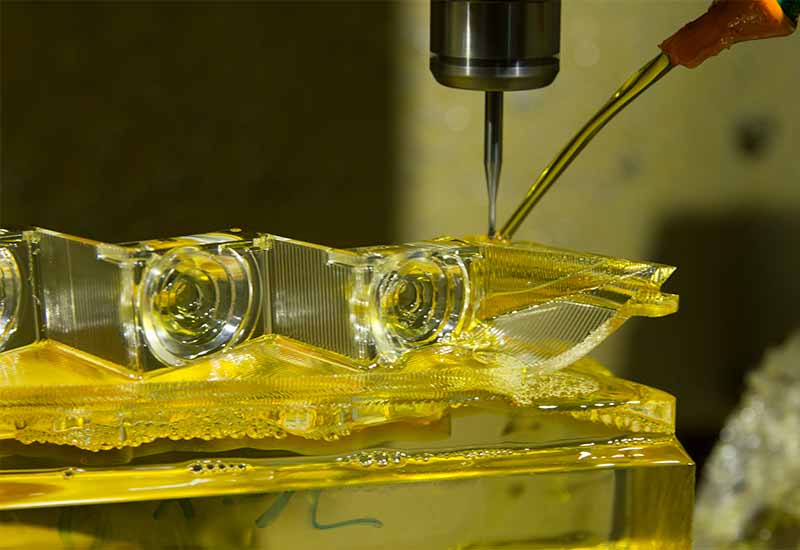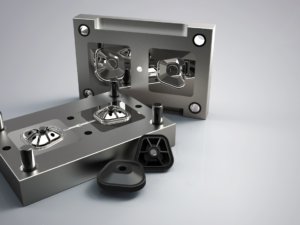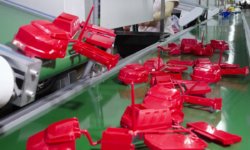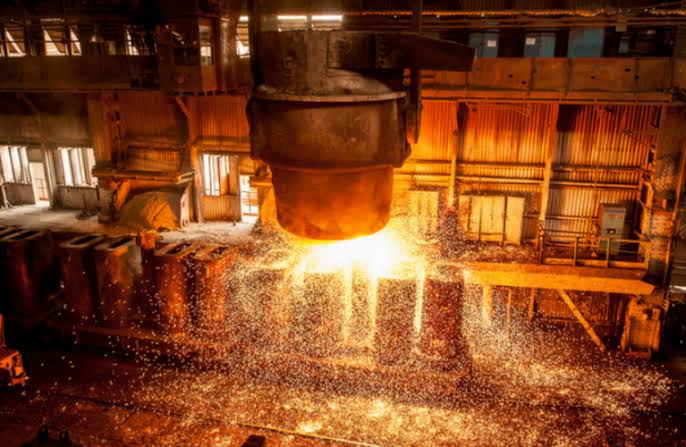

It is a process in which the liquefied metal is displaced into a cast, which has a hollow enclosed space in a desired form and then allows the metal to cool off and inure. The hollow cavity is denoted as cast and it gives the desired form that resembles the part being manufactured. Now the finished product is off the mold and is ready to be polished.
Metal Casting is quite inefficient to those who create by boring, carving, sculpting or other means. Metal casting is used to make complex or tailor-made parts of the metal that is hard to manufacture via machining welding or other means and is very expensive.
Getting the essential mold is the beginning process of metal casting. Metalworkers usually transmits in patterns pertaining the size and form of the mold or full detailed designs to a foundry or factory where metal castings are produced, that fabricates the mold and then send it to the casters.
Lately, casters that cast molten metal into the mold and through the aid of computer design systems finished the final products. Completed mold is kept by the casters into a backup frame that contains a cooling apparatus.
During the process of metal casting by Metal Casting Manufacturer, a huge number of problems can occur since casting metal is not that perfect process. When you expose the liquefied metal to pollution, the resulting part will not be as impregnable and when it is removed from the mold it might be broken down easily.
Along with this if the metal is with contaminants it might cause physical damage to the mold itself, causing it to become unusable.
After the cooling process formation of gas bubbles is also possible to be noticeable in the metal part that can cause brittleness on the piece. There are few casting methods that are not that complex and can be easily dominated by skilled worker and hobbyists who are voluntarily want to control a chamber and work with liquid metal.