Robotics & Automation Prototyping
Get high-quality manufacturing services for your custom robotic prototypes and production parts. Launch products faster, reduce risks, and streamline production processes with on-demand production at competitive prices.
- Production-grade products
- ISO 9001:2015 certified
- 24/7 engineering support
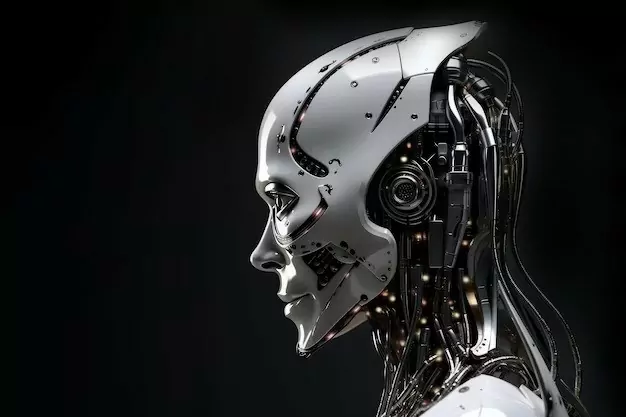
At 3ERP, we have years of experience prototyping and manufacturing parts for robotics and automation applications. We use rapid prototyping and digital manufacturing techniques to produce high-performance prototypes and parts that fit seamlessly within complex robotic systems.
Why manufacture
robotics & automation parts
with 3ERP?


ISO certified
3E Rapid Prototyping (3ERP) is an ISO9001-2015 certified manufacturer that can guarantee reliable parts and prototypes suitable for industrial robotics and automation.

Huge production capacity
We can fulfill orders of virtually any size, from one-off prototypes to full production.

Range of services
Equal parts machine shop and digital manufacturing specialist, we offer a range of manufacturing technologies and services, from CNC machining to 3D printing.

Ultra precision
Our precision machining allows for tolerances down to +/- 0.005 mm, suitable for micro and nano robotics systems.

Short lead time
Our extensive facilities and partner network allow us to fulfill orders quickly, no matter the quantity or complexity.

Skilled and experienced
We have been manufacturing robotics and automation parts for over a decade and our skilled engineers know how to get the best outcomes from your designs.

Easy quotation system
Our engineers will review your designs immediately to provide a fast and accurate quotation for the project.

Robotics & automation prototyping and manufacturing with 3ERP
What kind of robotics & automation parts can we make?
The robotics and automation industry requires a wide range of parts made from both metals and plastics. Typical priorities for robotics customers include:
- Tight tolerances for critical parts and complex assemblies
- Low-friction parts that can perform repetitive movements
- Excellent quality control via on-machine inspection and/or CMM
Below are some of the types of robotics parts we can manufacture for you:
- Robotic parts
- Prototypes
- Manipulator parts
- Sensors
- Actuators
- Micro systems
- Nano systems
- Robotic medical devices
- End effectors
- Motors
- Casings, housings, tubing
- Clamps
- Conveyor belt components
- Automatic control equipment
- Logic controller components
Difference between robotics and automation
Robotics and automation often go hand in hand, as in industrial manufacturing. In an automotive factory, for example, an assembly line typically consists of hundreds of manufacturing robots performing automated tasks, sometimes with the aid of machine vision. However, automation can exist without robotics (in software automation, for example) and robotics can exist without automation (such as a medical robot controlled by a surgeon).
As a specialist in the prototyping of physical components, 3ERP receives many orders for robotics components. But we can also produce other types of automation parts such as conveyor belt components, automatic control equipment, and logic controller components.


End effectors: How prototyping helps
get from A to B
Robotics & automation manufacturing processes

CNC Machining
By using CNC milling & turning, we can make a wide range of prototypes and production parts

Injection Molding
We offer low-volume prototype moldings and mass production moldings.

3D Printing
We provide 3D printing services using a range of cutting-edge additive manufacturing technologies for metal or plastic parts

Vacuum Casting
Our low-cost vacuum casting services are suitable for prototyping casings, housings, and tubing for complex robotic assemblies
Robotics & automation manufacturing possibilities

In the robotics industry, most robotic systems typically require a rugged, sturdy frame that allows the system to perform a range of useful mechanical motions, such as swiveling, extending, or carrying out a specific task with its end effector. At 3ERP, we can use our range of manufacturing processes and reliable materials to make high-quality metal parts like frames, shoulder joints, and gears.

Many robots — particularly those used in manufacturing — have similar structures when it comes to parts like the arm and shoulder, but the end effector is what makes the robot unique and allows it to perform its chosen function. An end effector or end of arm tooling (EOAT) often requires several complex and intricate components that work together to allow the robot to grip, pick, cut, or do whatever it is tasked with doing.

As well as structural and task-specific parts, 3ERP is equipped to make casings, housings, tubing, and other important components for robotic assemblies. Made from plastic or metal, these important parts can be used to house structural elements, as well as mechanical and electronic components. Prototyping robotic housings can be achieved with low-cost processes 3D printing or urethane casting.
Robotics & Automation Part Gallery


Robotics manufacturing materials
We offer a huge range of material possibilities with all our manufacturing processes. Some common choices for robotics projects are listed below.


Applicable Finishes For Robotics Industry
3ERP offers wide variety high level surface finishes. We only list some of the common finishing options. There are more finish options for custom parts for Robotics Industry.


Robotics Faqs
into production today