






Rising labor costs and unpredictable material prices can quickly eat into your profits, making it essential to manage expenses wisely. Reducing manufacturing costs isn’t just about cutting corners—it’s about working smarter at every stage of production while keeping quality high. From material sourcing to labor efficiency and overhead management, every decision you make affects your bottom line.
The good news is, technology and automation make cost control more achievable than ever. Tools like advanced data analytics and automated systems help you track spending, minimize waste, and improve productivity. When done right, reducing costs can lead to faster production cycles, leaner operations, and healthier profit margins—all without sacrificing product quality.
In this article, you’ll learn proven strategies to reduce manufacturing costs while keeping your operations efficient and competitive.
What are the Main Manufacturing Costs?
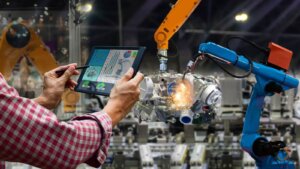
Manufacturing costs encompass all expenses involved in producing and delivering a product to market, including energy, facility operations, overhead, and distribution. These costs are typically categorized into direct and indirect expenses, each playing a crucial role in financial planning and competitive pricing strategies. Accurately tracking these costs is essential for determining the break-even point and setting competitive pricing. Direct materials and labor generally constitute the largest portions of total manufacturing expenditures. In some industries, energy costs alone can account for up to 30% of operating expenses.
Direct Manufacturing Costs
Direct manufacturing costs are critical as they directly affect profitability and scale with production volume. These costs include direct materials, labor, and expenses directly tied to the production of goods. Any inefficiency in managing direct costs can lead to significant increases in overall production expenses. Therefore, strategies such as standardizing components, optimizing assembly processes, and implementing automation play a pivotal role in reducing these costs. Real-time data tracking helps in pinpointing inefficiencies, allowing for quick adjustments that minimize waste and reduce costs per unit. Adopting lean manufacturing principles also enhances the efficiency of direct production steps, significantly lowering defect rates, rework, and scrap costs, thus directly benefiting the bottom line.
Materials
Managing material costs effectively is crucial for reducing manufacturing expenses. Strategic product design that reduces part counts and uses standardized components can decrease material costs by 10-15%. However, the prices of raw materials can vary greatly due to global market conditions, impacting production costs if not properly managed. Techniques such as just-in-time inventory can mitigate risks associated with price volatility and overstocking, which often leads to waste. Moreover, optimizing packaging and freight for raw materials not only reduces costs but also lessens the environmental impact. Employing digital tools for forecasting and real-time material consumption tracking can further refine procurement strategies and ensure materials are purchased at optimal prices, enhancing overall material cost management.
Labor
Labor costs in manufacturing encompass not only the direct wages paid to employees but also the associated costs such as social contributions, benefits, and the cost of training. These expenses are significant, especially as recent surveys indicate a rise in labor costs between 4.2% to 5.3% across various sectors. This uptick underscores the critical need for manufacturers to adopt strategies such as automation and cross-training to maintain profitability.
Flexible staffing solutions like part-time schedules and job-sharing arrangements can adaptively respond to seasonal fluctuations or unexpected demands, optimizing labor costs without sacrificing production capacity. Furthermore, integrating performance incentives that reward productivity and quality can enhance operational efficiency and reduce the expenses associated with rework and waste.
Leveraging advanced scheduling software and workforce management tools helps in precisely aligning workforce supply with production demands, preventing the financial strain of overstaffing. Additionally, the strategic use of automation and robotics not only reduces the dependency on manual labor but also redirects the workforce towards more complex, value-added tasks. This shift not only improves labor productivity but also employee satisfaction by engaging them in more skilled and rewarding work.
Production Tools and Equipment
The cost of production tools and equipment in manufacturing encompasses initial outlays, ongoing maintenance, and operational costs such as energy consumption and the depreciation of machinery. Effective management of these costs involves regular maintenance schedules, which can reduce the frequency and severity of equipment failures, cutting unexpected downtime and associated costs by up to 20%.
Modernizing production facilities with energy-efficient and automated technologies not only reduces the labor intensity of manufacturing processes but also enhances energy efficiency, which can significantly lower operating expenses. Retrofitting older equipment with newer, more efficient technology often results in reduced cycle times and faster production rates, thereby diminishing the overall cost of manufacturing operations.
Consumables and Supplies
Managing consumables and supplies in manufacturing involves not just purchasing but also maintaining an efficient inventory system to prevent both excess stock and shortages. Streamlining the use of consumables such as lubricants, adhesives, and other production supplies can significantly reduce costs. Encouraging staff to participate in identifying efficiencies and reporting wasteful practices helps in refining the consumption of materials and reducing unnecessary expenses.
Quality Control and Testing
Quality control and testing are pivotal aspects of manufacturing that significantly influence product quality and manufacturing costs. Implementing lean and automated quality-check systems has allowed leading manufacturers to report defect reductions ranging from 25% to 90%. These systems facilitate early defect detection, which not only helps avoid costly rework but also enhances the brand’s reputation by ensuring consistent product quality.
Automated inspection systems and real-time production monitoring are integral to modern manufacturing operations. They enable quicker identification of defects, substantially decreasing the likelihood of scrap and rework. This proactive approach to quality control not only reduces direct costs associated with defects but also minimizes warranty claims and enhances customer satisfaction by preventing the negative experiences associated with defective products.
Other Direct Costs
Direct costs in manufacturing also include expenses beyond standard production costs, such as subcontracted services, prototype development, and costs related to rework and scrap. Rework and scrap, for example, can represent 3% to 5% of total manufacturing costs in some industries. Implementing robust quality assurance processes significantly mitigates these unplanned expenses by enhancing the overall efficiency of production lines.
Subcontracting offers a flexible solution for managing complex manufacturing tasks that are beyond the scope of regular production capabilities without the need for permanent in-house facilities. This can be particularly cost-effective for specialized or infrequent processes. Moreover, the strategic use of subcontractors can help firms manage capital expenditure and focus on core competencies, optimizing overall production costs.
Innovative approaches to managing prototype production can also lead to substantial cost savings. By streamlining the development and testing phases of production, companies can reduce the overhead associated with bringing new products to market. Additionally, investing in technologies that minimize the need for physical prototypes—such as digital simulation and 3D modeling—can further reduce these costs.
Indirect Manufacturing Costs
Indirect manufacturing costs are those not directly tied to the production of goods but essential for operating the business. These costs include overheads such as administrative expenses, facility maintenance, and utilities—expenses that do not directly contribute to production but are necessary for a manufacturing operation’s day-to-day functions.
Implementing systems like Enterprise Resource Planning (ERP) and Material Requirements Planning (MRP) can reveal hidden overhead costs and streamline resource allocation. These systems integrate various operational aspects, from scheduling and inventory management to comprehensive administrative oversight, facilitating more efficient business processes and substantial cost savings. Regular audits of these indirect costs can also uncover unnecessary expenditures or duplicated efforts, allowing for further refinements and cost reductions.
Streamlining these costs is not about cutting essential services or quality but about maximizing efficiency and minimizing waste. By optimizing indirect costs through continuous review and the integration of advanced management systems, manufacturers can achieve more lean operations, directly benefiting their bottom line without compromising the output quality or operational capacity.
Facility Costs
Managing facility costs effectively is vital for maintaining overall profitability in manufacturing. Significant savings can be achieved through energy-efficient upgrades and smarter facility management. For instance, installing automated controls, high-efficiency HVAC systems, and LED lighting can reduce energy costs by 10–30%, significantly lowering the facility’s operating costs.
Additionally, optimizing the physical layout of a factory to promote continuous flow processes can reduce internal transport times by 20–30%, enhancing operational efficiency and reducing costs associated with moving materials and products within the facility.
Labor and Workforce
The indirect labor costs in manufacturing encompass wages for supervisory and maintenance roles, benefits for indirect staff, and training programs for all factory workers. Effective management of these costs involves implementing strategies that enhance workforce efficiency and flexibility. For example, cross-training staff allows employees to perform multiple roles, reducing the need for overtime and minimizing hiring additional staff during peak times.
Job rotation and continuous improvement programs like Lean and Kaizen not only improve job satisfaction and skills amongst employees but also significantly reduce turnover and recruitment costs. Furthermore, targeted training programs can address common operational bottlenecks and maintenance issues, reducing downtime and indirectly lowering labor costs associated with halted production.
Supplies and Services
Effective management of general factory supplies, waste disposal, security services, and administrative expenses is vital for controlling indirect manufacturing costs. Transitioning to digital documentation can substantially reduce expenditures on paper and ink, minimizing related storage needs. Negotiating long-term waste disposal contracts helps in achieving consistent volume pricing, cutting monthly disposal expenses by 10–15%. Such strategic procurement and resource management practices are crucial for enhancing operational efficiency and reducing overheads, thus impacting the bottom line positively.
Technology and Maintenance
In the realm of manufacturing, the integration of technology and maintenance systems plays a critical role. Software for production management and the maintenance of internet and communication systems ensure that operations run smoothly. Predictive maintenance, supported by real-time machine data, reduces unexpected repair costs and downtime by up to 30%. This proactive approach in maintaining shared equipment and IT services for production systems not only prevents costly interruptions but also extends the lifespan of machinery, making a significant impact on reducing indirect manufacturing costs.
Compliance and Safety
Compliance and safety are paramount in manufacturing, affecting both worker safety and production quality. Implementing digital checklists for safety inspections and streamlining storage for raw materials and finished goods enhance compliance and operational safety. Such measures lead to fewer workplace accidents, potentially lowering insurance premiums and reducing the overall indirect costs associated with non-compliance penalties and lost productivity. Improved safety measures and rigorous compliance protocols ensure a healthier work environment and more stable operations, reflecting positively on the company’s financial health and reputation.
How to Reduce Manufacturing Costs?

Reducing manufacturing costs is crucial for improving margins, enhancing competitive edge, and ensuring sustainability in a challenging market. Here’s a step-by-step guide to systematically lower your production costs:
- Audit Current Costs: Begin by conducting a comprehensive audit of all your current manufacturing expenses. This detailed examination should include every aspect of your production process, from the shop floor to office supplies. One study suggests that companies adopting systematic audits and continuous improvement can reduce production costs by 5–20% in the first year alone.
- Set Cost-Reduction Goals: Based on the audit findings, set clear and achievable cost-reduction goals. These goals should be specific, measurable, and time-bound, focusing on areas such as labor costs, material costs, and energy usage. Engage cross-functional teams—including suppliers—to explore new ways to streamline processes, such as adopting lean manufacturing practices to eliminate excess inventory and reduce downtime.
- Monitor and Refine Strategies: Implement real-time monitoring and data analytics to track the effectiveness of your cost-reduction strategies. Regularly review the performance data and consult with your team to make ongoing adjustments. This continuous cycle of monitoring and refinement helps ensure that your strategies are producing tangible savings and that you are continually finding new ways to optimize the manufacturing process.
What are the Key Metrics to Monitor for Cost Reduction in Manufacturing?
To effectively reduce manufacturing costs, it’s critical to establish and monitor key performance metrics that reflect the efficiency and productivity of your manufacturing operations. Here are the essential metrics to keep an eye on:
- Throughput: This measures the amount of production completed within a given period, indicating the efficiency of your production lines.
- Scrap Rate: Keep track of the rate at which materials are wasted during production. Reducing this rate can directly decrease material costs.
- Energy Usage: Monitoring energy consumption helps identify potential savings in utility costs, especially in energy-intensive manufacturing environments.
Production Efficiency
Focusing on production efficiency involves examining key components like cycle time, throughput, and downtime:
- Cycle Time: Reducing the cycle time through standardized workflows and continuous improvement initiatives can lead to significant improvements in throughput. Techniques such as mapping the production flow to eliminate unnecessary steps can reduce cycle times by 10–15%, according to industry benchmarks.
- Downtime: Minimizing downtime is essential for maintaining workflow efficiency and reducing idle time. Regular maintenance, effective scheduling, and rapid response to production issues help keep machines running and production lines moving.
Labor Efficiency
To optimize labor costs, focus on Labor Cost per Unit and Employee Productivity. Implement incentive systems linked to labor cost per unit to encourage workers to reduce inefficiencies. Cross-training is essential as it helps maintain production levels even when specialized labor is unavailable, thus ensuring continuity and flexibility in operations. Monitoring labor cost per unit can unveil hidden inefficiencies, and establishing clear performance metrics can lead to significant productivity improvements. Additionally, leveraging part-time or seasonal workforce solutions can decrease overtime costs during off-peak seasons. More advanced approaches include deploying AI-driven labor optimization tools that factor in workers’ skill sets, compliance rules, and demand forecasting to develop cost-efficient schedules.
Material Usage
Key metrics such as Material Cost per Unit, Material Yield, and Scrap Rate are pivotal. Implementing Lean or Six Sigma methodologies can drastically reduce scrap rates by up to 50% by systematically identifying and eliminating waste sources. Integrating real-time inventory management systems can minimize ordering errors and excess stock, thus reducing costs associated with obsolete or spoiled materials. Furthermore, embracing industrial symbiosis—integrating waste streams into other production cycles—can transform potential waste into revenue or raw materials for other product lines. Eco-friendly practices may also yield financial benefits through government incentives or subsidies, indirectly reducing costs.
Energy Efficiency
Monitoring Energy Cost per Unit and Overall Energy Consumption is crucial for managing utility expenses. Conduct energy audits to pinpoint inefficient machine use and optimize power usage schedules, aligning operations with off-peak electricity rates to cut costs. Smart metering devices can detect usage spikes, facilitating timely adjustments to equipment use. Integrating IoT sensors to automate adjustments in HVAC and lighting systems can lead to significant reductions in unnecessary energy consumption, thereby lowering utility bills and enhancing energy efficiency.
Quality Control
Implementing automated inspection systems can significantly reduce defects early in the production process, minimizing the likelihood of costly recalls and consumer dissatisfaction. Research indicates that strong quality control programs can lead to a reduction of up to 50% in scrap and rework costs. By closely monitoring defect rates and ensuring high first pass yields, manufacturers can prevent expensive recalls, protect brand reputation, and reduce the risks associated with returns, rework, and warranty claims, thus preserving profit margins.
Inventory Management
Effective inventory management strategies, such as Just-in-Time (JIT), can lower on-hand stock by 15–25%, freeing up capital and reducing storage costs. High inventory turnover correlates with efficient processes and accurate demand forecasting, reducing risks of overproduction. Automated inventory tracking systems, like barcodes and RFID, minimize human errors and enhance cycle count accuracy. By synchronizing supplier lead times with demand forecasting, manufacturers can ensure minimal overstock and reduce holding costs.
Cost Management
A detailed analysis of Cost of Goods Sold (COGS), overhead costs, and total manufacturing costs per unit is essential for identifying cost drivers and potential savings. Monitoring overhead costs ensures that indirect expenses, such as facility maintenance, administrative staffing, or utilities, do not negate gains from direct cost reductions. A precise breakdown of COGS allows manufacturers to pinpoint which processes or materials disproportionately increase expenses.
Supply Chain Metrics
Optimizing supply chain metrics such as supplier lead time, order accuracy rate, and freight costs can significantly lower expenses. Consolidating shipments can reduce freight costs by 10–15%. Establishing long-term, collaborative relationships with suppliers can lead to better pricing and service. Efficient supply chain planning ensures that raw materials are delivered precisely when needed, reducing inventory costs and minimizing storage expenses. Collaborating with local or regional suppliers can decrease shipping distances and costs, and securing bulk discounts through long-term partnerships can further reduce material costs.
Maintenance and Equipment
Monitoring the Mean Time Between Failures (MTBF), maintenance costs, and machine utilization rate are critical for maintaining cost-effective manufacturing operations. A robust preventive maintenance program not only extends the lifespan of equipment but also avoids costly emergency repairs and unexpected downtime. By harnessing real-time data from digital sensors, manufacturers can optimize machine usage schedules, enhancing operational efficiency. Predictive maintenance programs, which utilize data analytics, allow for the scheduling of maintenance tasks before failures occur, substantially reducing repair costs. Implementations of machine learning algorithms can predict part failures, enabling proactive replacements and minimizing disruptions in production. Some manufacturers report improvements in machine uptime by 10–20% due to predictive maintenance, indicating that well-coordinated production scheduling, labor availability, and maintenance routines are crucial for maximizing equipment efficiency.
Renting vs. Owning Equipment
Deciding between renting and owning manufacturing equipment hinges on analyzing the pros and cons related to cost, flexibility, and control. Renting equipment can offer lower upfront costs and higher flexibility to adapt to changing production demands without the long-term commitment. However, long-term rental fees may exceed the cost of ownership, and the options for customization can be limited. Owning equipment allows for complete control and customization, which is crucial for manufacturers with specialized or long-term production needs. Yet, the initial capital outlay and ongoing maintenance costs can be significant. Companies must assess their operational needs, financial capacity, and production stability to make the most cost-effective decision.
Financial Metrics
Key financial metrics such as Return on Investment (ROI), profit margin, and break-even point are indispensable for evaluating the financial health of manufacturing operations. A detailed analysis of the Return on Investment helps manufacturers understand the efficiency of their investments in comparison to the returns generated. Monitoring profit margins is crucial for assessing the ability of a business to manage its costs effectively relative to its revenue. Understanding the break-even point enables manufacturers to know how much product they need to sell to cover their operating costs, which is essential for strategic pricing and production planning.
Waste Reduction
Effective waste reduction can significantly lower manufacturing costs through decreased disposal costs and enhanced material efficiency. Implementing systematic waste audits and adopting comprehensive recycling programs have been reported to reduce disposal costs by 15–30%. Lean manufacturing principles, such as eliminating overproduction, can address significant sources of waste and reduce unnecessary overhead. Focusing efforts on the seven categories of waste in Lean—overproduction, waiting, transport, over-processing, inventory, motion, and defects—helps pinpoint areas for improvement. Moreover, continuous training programs can cultivate a workplace culture that supports waste reduction, where employees actively participate in identifying and eliminating waste, thereby contributing to sustainability and cost savings.
What Role Does Product Design Play in Cost Reduction in Manufacturing?

Product design plays a pivotal role in reducing manufacturing costs. By integrating cost-efficient design practices early in the development process, companies can significantly decrease material, production, and lifecycle expenses. Key strategies include simplifying designs to reduce assembly steps, using standard components to minimize procurement costs, and designing for manufacturability to enhance production efficiency. Additionally, incorporating sustainable design principles can not only lower costs but also appeal to environmentally conscious consumers, potentially increasing market share.
Design for Manufacturing (DFM)
Effective Design for Manufacturing (DFM) principles include:
- Simplify Designs: Minimize part counts to reduce complexity and errors in assembly.
- Use Standard Components: Opt for off-the-shelf parts to cut costs and simplify inventory management.
- Design for Automation: Create designs that are easy to automate, which reduces labor costs.
- Modular Design: Implement modular designs that allow for easy upgrades and repairs, extending product life and reducing costs.
- Optimize Material Use: Reduce material waste by optimizing part shapes and nesting during production.
Standardizing Parts
The economic benefits of standardizing parts include:
- Cost Reduction: Standard parts are often cheaper to produce and buy in bulk.
- Simplified Inventory: Fewer part types streamline inventory management and reduce overhead costs.
- Efficiency Gains: Assembly is faster and less prone to errors, which enhances overall production efficiency.
- Reduced Training: Workers can learn assembly processes more quickly, decreasing training costs and increasing productivity.
Rationalizing Product Lines
Rationalizing product lines is a strategic approach to simplifying offerings, which can lead to significant cost reductions. By focusing on higher-margin products and reducing or eliminating less profitable ones, companies can enhance inventory management and streamline production processes. This method often leads to a reduction in supply chain complexity, making the system more efficient and less costly to operate. Manufacturers that have implemented such strategies have reported up to a 50% decrease in complexity, which translates directly into cost savings and improved operational efficiency.
Outsourcing Non-Core Activities to Reduce Costs
Outsourcing non-core activities, such as administrative tasks or logistical operations, can significantly reduce overhead costs and allow a company to focus more on its primary manufacturing capabilities. By transferring responsibilities like payroll and logistics to specialized external firms, manufacturers can optimize their core operations without the distraction of unrelated tasks. This strategic outsourcing ensures that every dollar spent adds direct value to the core business processes, enhancing financial flexibility and reducing overall costs. It’s crucial, however, to establish clear contract terms and maintain stringent quality standards to avoid potential hidden costs associated with outsourcing.
Consolidating Product Offerings and Facility Optimization
Streamlining product offerings by discontinuing underperforming products can reduce operational complexity and free up resources for more profitable items. This strategic reduction not only simplifies inventory management but also minimizes overhead costs associated with maintaining a wide array of products. Optimizing the physical layout of facilities is another crucial strategy. By improving the factory floor setup, manufacturers can significantly reduce internal transport times—by 20-30% in some cases—thereby enhancing overall workflow and productivity. Implementing vertical storage solutions and modular workstations can further maximize space utilization, eliminating the need for costly physical expansion.
How To Calculate Manufacturing Costs?

Calculating manufacturing costs is essential for assessing productivity and profitability. Here’s a step-by-step guide:
- Identify Direct Costs: These are costs that are directly tied to the production of goods, including:
- Raw materials
- Direct labor (wages for the staff directly involved in manufacturing)
- Calculate Indirect Costs: These costs are not directly linked to production but are necessary for operations, such as:
- Rent
- Utilities
- Maintenance
- Salaries of non-production staff
- Total Manufacturing Costs: Sum up all direct and indirect costs.
- Determine Units Produced: Count the total units of product manufactured in the period being analyzed.
- Apply the Formula:
Manufacturing Cost per Unit = Direct Cost + Indirect Cost / Units Produced
This formula can be refined by categorizing costs into more specific pools for better accuracy.
What Are Lean Manufacturing Principles and How Do They Reduce Costs?
Lean manufacturing is a systematic method for waste minimization without sacrificing productivity. Here’s how it enhances efficiency and reduces costs:
- Efficiency Increase: Implementing lean principles can lead to up to a 30% increase in overall efficiency.
- Cost Reduction: Initially, lean methods can reduce production costs by 5–20%, with potential for further reductions through continuous improvement.
- Standardization and Employee Empowerment: Standardizing workflows and involving employees in suggesting improvements are crucial for ongoing cost control.
Core Principles of Lean Manufacturing
Lean manufacturing focuses on enhancing product value through the following core principles:
- Value Stream Mapping: This tool identifies all the actions (value-added and non-value-added) in a process flow to eliminate waste.
- Continuous Improvement (Kaizen): This involves everyone in the organization and uses frequent small improvements for significant cumulative effects.
- Just-in-Time Production: This reduces inventory costs by aligning production schedules with demand, minimizing the resources tied up in raw materials and finished goods.
What Technologies Can Help Reduce Manufacturing Costs?

Embracing modern technologies is important if the aim is to reduce manufacturing costs. By integrating advanced systems, manufacturers can streamline operations, enhance efficiency, and reduce waste. Here’s how specific technologies play a role:
AI and Machine Learning
AI and Machine Learning are revolutionizing the manufacturing sector by enhancing process optimization and defect detection:
- Process Optimization: AI algorithms analyze vast amounts of data to identify bottlenecks and inefficiencies, enabling manufacturers to optimize production workflows and significantly reduce labor costs.
- Defect Detection: Machine learning models are trained to detect anomalies and defects at an early stage, drastically reducing the cost associated with scrap and rework. This capability not only saves resources but also maintains the high quality of the final product.
- Demand Forecasting: Predictive analytics are used to accurately forecast product demand, thus preventing inventory excess or shortages that can tie up capital and space.
ERP and MRP Systems
Enterprise Resource Planning (ERP) and Material Requirements Planning (MRP) systems are critical in modern manufacturing for cost management and efficiency:
- Real-Time Visibility: Cloud-based ERP systems provide real-time insights into every stage of the manufacturing process, from raw material procurement to final product delivery. This visibility is crucial for just-in-time procurement strategies, reducing inventory holding costs and minimizing waste.
- Resource Allocation: Integrating ERP systems consolidates data across different departments, providing a unified view that helps in accurate resource planning and scheduling. This integration reduces redundant tasks and aligns production planning with actual market demand.
- Cost Forecasting and Reduction: ERP and MRP systems enable detailed tracking of production costs and operational efficiencies, helping manufacturers to pinpoint areas where cost reductions are possible. Automating routine tasks like purchase ordering and production scheduling also cuts down on labor costs and enhances operational efficiency.
Why Is It So Important to Reduce Manufacturing Costs?

Reducing manufacturing costs is crucial for maintaining competitiveness and profitability in a global market. Here are several compelling reasons why companies strive to lower their production expenses:
- Increased Profitability: Lowering the cost of production directly increases profit margins, giving businesses more capital to invest in technology, innovation, and workforce development.
- Competitive Pricing: By reducing costs, companies can price their products more competitively without sacrificing quality, which can attract more customers and potentially increase market share.
- Resource Optimization: Cost reduction leads to better resource utilization, minimizing waste and maximizing efficiency across the production process.
- Financial Flexibility: Lower costs provide companies with greater financial leeway to navigate market fluctuations, invest in new opportunities, and withstand economic downturns.
What Are Common Mistakes to Avoid When Reducing Manufacturing Costs?
While reducing manufacturing costs is beneficial, it must be approached carefully to avoid detrimental effects on the business. Common pitfalls include:
- Underfunding Critical Areas: Cutting budgets for essential functions like maintenance or employee training can lead to increased machine downtime and lower productivity, impacting overall efficiency.
- Neglecting Regular Audits: Failing to regularly review and audit manufacturing costs can allow inefficiencies and wasteful practices to persist, which might negate any savings achieved through cost-cutting measures.
- Overlooking Small Improvements: Ignoring the potential cumulative impact of small, incremental improvements can mean missing out on significant long-term savings.
Conclusion
Reducing manufacturing costs isn’t just about cutting expenses—it’s about working smarter across your entire production process to boost efficiency and profitability. To achieve this, you need to regularly review your operations, identifying areas where you can save without sacrificing quality. Staying flexible is also key, as market conditions and business needs shift over time, requiring you to adapt your strategies. At the same time, cutting costs should never come at the expense of product quality. Maintaining high standards keeps your customers satisfied and protects your brand’s reputation. When you focus on smart cost reduction while preserving quality, you’re not just saving money, but creating a stronger, more resilient business.



