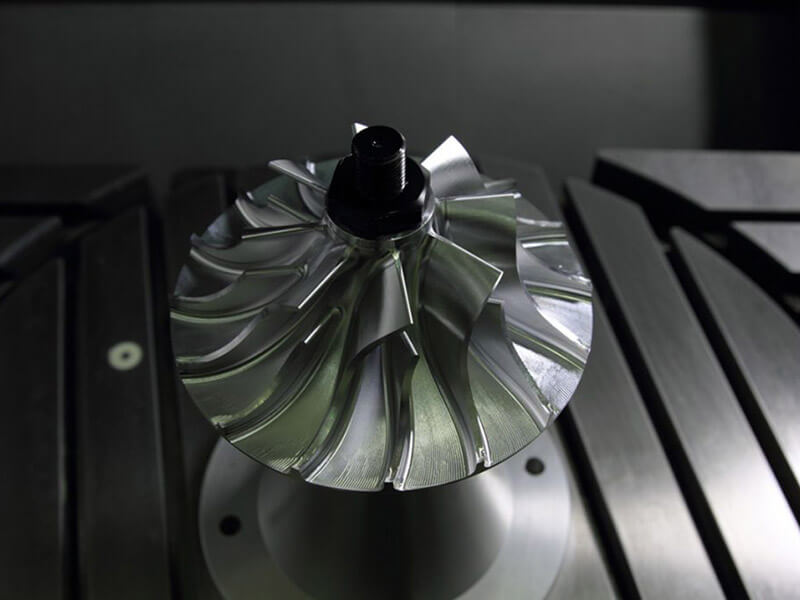

Aluminum really shines when it comes to machining. This metal is not just lightweight—its density is roughly one-third that of steel—but it’s also a top choice for a wide range of projects thanks to its easy handling and fast cutting speeds. Unlike steel, aluminum lets you work quicker and with less force, which opens up a world of efficiency and possibility.
Despite these advantages, machining aluminum comes with its own set of challenges. The type of aluminum alloy, the way it’s treated, and even how it’s made can all change how well it machines. That means understanding these factors is key to getting the best results in terms of cost, productivity, and the quality of your finished parts.
In this article, we’ll explore the ins and outs of aluminum machining, providing you with insider tips to navigate its challenges and leverage its benefits effectively.
Is Aluminum Machinable?

Is Aluminum Machinable
Aluminum is renowned for its exceptional machinability, with ratings that can range from around 100% for high-silicon cast alloys to as high as 350% for soft wrought alloys. Its propensity to easily form chips and its comparative low hardness facilitate faster machining speeds, enhancing its appeal.
Additionally, the reduced cutting force required for aluminum means less wear on tools, thus lowering tooling costs. However, despite these advantages, certain aluminum alloys that exhibit high hardness or have unusual compositions might present specific machining challenges.
Why is Aluminum a Good Material for Machining?
When discussing “alumina” in the context of machining, we’re referring to aluminum-based materials that offer several properties making them highly machinable.
Renowned for its excellent thermal conductivity and ductility, aluminum efficiently dissipates heat, which permits higher feed rates and significantly reduces the risk of overheating tools. This aspect is important in aluminum machining as it helps with maintaining productivity and avoiding unnecessary downtime . Additionally, aluminum’s low melting point contributes to the formation of manageable chips, which are pivotal in achieving high-quality surface finishes with fewer complications.
Together, these attributes contribute to shorter cycle times and consistently excellent part quality, essential factors in modern manufacturing.
What are the Best Aluminum Alloys for Machining?
Aluminum alloys are celebrated for their machinability, strength-to-weight ratio, and versatility across various applications.
Within the aluminum series, certain alloys stand out due to their ease of machining, which is measured in part by their ability to be cut with minimal tool wear and favorable chip formation.
1xxx Series (Pure Aluminum)
The 1xxx series represents the purest form of aluminum, typically containing 99% aluminum or more. Renowned for its excellent corrosion resistance and superior thermal conductivity, this series, however, lacks the strength found in alloyed aluminum. Its softness leads to the formation of very long, continuous chips, which can complicate machining processes but can be managed with appropriate cutting tools and techniques.
Applications:
- Food packaging, due to its non-toxicity.
- Chemical equipment, owing to its corrosion resistance.
- Electrical conductors, because of its excellent conductivity.
Aluminum 1100
Aluminum 1100 is a commonly used grade in the 1xxx series, prized for its excellent formability and corrosion resistance. It is not suited for high-stress applications, which limits its use to components requiring less structural integrity. Machining operations for Aluminum 1100 are typically straightforward, making it a recommended choice for projects with lower strength requirements.
2xxx Series (Aluminum-Copper Alloys)
The 2xxx series aluminum alloys are distinguished by copper being the primary alloying element, providing these alloys with enhanced strength—often comparable to mild steel when heat-treated.
However, this series generally exhibits less corrosion resistance than other aluminum alloys. The machinability rate for 2xxx series alloys typically ranges between 200% and 240%, making them a robust choice for applications requiring high strength.
Aluminum 2024
Aluminum 2024 is extensively utilized in the aerospace industry due to its high strength-to-weight ratio, making it ideal for aircraft structural components. It has a strength of approximately 465 MPa, a hardness of about 75 HB, and a machinability rating ranging from 210% to 240%. Its properties ensure that it can withstand the rigorous demands of aerospace applications while still being relatively easy to machine.
Aluminum 2219
Known for its excellent high-temperature strength retention, Aluminum 2219 is frequently used in aerospace for fuel tanks and other high-stress applications. This alloy offers good machinability but requires careful management of chip control to optimize performance and maintain the integrity of machined parts.
3xxx Series (Aluminum-Manganese Alloys)
The 3xxx series of aluminum alloys includes manganese as a primary alloying element, enhancing the metal’s strength slightly while maintaining excellent formability and moderate strength.
This series is well-regarded for its general machinability, with a typical rating around 260%. The 3xxx series is frequently utilized in applications requiring a balance of workability and strength, such as heat exchangers, cooking utensils, and general sheet-metal work.
Aluminum 3003
Aluminum 3003 is celebrated for its exceptional workability and moderate strength, making it a preferred material in industries requiring good formability without high-strength criteria. It’s commonly found in cookware, roofing, and chemical equipment, where its corrosion resistance and durability are beneficial.
Aluminum 3105
Similar to 3003, Aluminum 3105 offers slightly higher strength, which makes it suitable for more demanding forming operations. It’s often used for manufacturing sheet-metal parts like gutters and siding, where additional structural integrity is required.
5xxx Series (Aluminum-Magnesium Alloys)
The 5xxx series, characterized by magnesium as the primary alloying element, stands out for its excellent corrosion resistance and weldability. These alloys generally have machinability ratings in the 260–270% range, which allows for efficient fabrication processes.
The 5xxx series is particularly suited for applications where both strength and resistance to corrosion are needed, such as in marine environments.
Aluminum 5052
Aluminum 5052 is highly formable and weldable, making it an ideal choice for marine applications where these properties are required alongside resistance to saltwater. While it offers good machinability, operators must manage chip formation carefully to maintain the integrity of the workpiece.
Aluminum 5083
Offering higher strength than 5052, Aluminum 5083 is often found in the demanding sectors of shipbuilding and pressure vessel construction. This alloy requires careful selection of cutting tools and parameters to achieve the best results, due to its robust properties and potential machining challenges.
6xxx Series (Aluminum-Magnesium-Silicon Alloys)
The 6xxx series aluminum alloys are characterized by the addition of silicon (Si) and magnesium (Mg), which confer the material with a perfect balance of strength, corrosion resistance, and machinability.
These alloys are highly popular due to their versatility and are typically rated with a machinability of up to approximately 270%. Within this series, specialized versions like “6061M” and “6082M” have been developed to enhance chip breakage and comply with restrictions on lead or bismuth in certain regions.
Aluminum 6061
Aluminum 6061 is the most widely used alloy in CNC machining, known for its strength of approximately 300 MPa and hardness of around 95 HB. Its machinability rating hovers around 270%. This alloy is favored for its broad range of applications including structural components, frames, and marine fittings, thanks to its excellent strength-to-weight ratio and good corrosion resistance.
Aluminum 6063
Known for its excellent extrudability and decent machinability, Aluminum 6063 is often used in architectural and decorative profiles. Its properties make it suitable for applications where aesthetic considerations are as important as mechanical properties.
Aluminum 6082
Similar to 6061, Aluminum 6082 offers slightly higher strength and is good for structural applications and machine parts. It shares many of the machining and application characteristics of 6061 but provides a bit more strength where needed.
7xxx Series (Aluminum-Zinc Alloys)
The 7xxx series, primarily alloyed with zinc, is known for having the highest strength of all the aluminum alloy series, with strengths reaching up to approximately 570 MPa. However, these alloys generally have a lower machinability rating of about 170%. They are particularly sensitive to the conditions under which they are machined, often prone to building up an edge if cutting speeds and tools are not carefully managed.
Aluminum 7075
Aluminum 7075 is very strong and frequently used in molds, marine, and defense industries. It has a hardness of about 150 HB and a machinability rating of around 170%. Its exceptional strength makes it suitable for highly stressed structural parts.
Aluminum 7050
With a similar high-strength profile, Aluminum 7050 offers improved fracture toughness over 7075, making it ideal for critical aerospace structures such as bulkheads and wing skins. Its machining requires precision to maintain the integrity of the component.
Specialized Aluminum Alloys
In the realm of aluminum machining, specialized alloys play a crucial role in industries where standard solutions do not suffice. These include aluminum-lithium alloys and specific variants of the 6xxx series, designed for enhanced performance under stringent conditions.
- Aluminum-Lithium (0.7–3% Li): These alloys boast an excellent strength-to-weight ratio, crucial for aerospace applications, though their machinability is about half that of common wrought alloys. Despite the cost—often double that of standard aluminum—they are indispensable in sectors where weight reduction is critical.
- 6xxx Variants (e.g., 6061M, 6082M): Tailored for improved chip breakage, these alloys are developed to comply with environmental regulations prohibiting lead or bismuth, enhancing sustainability in machining processes.
Aluminum MIC-6
Aluminum MIC-6 is a cast aluminum plate known for its exceptional stability and flatness, attributes that make it ideal for precision tooling plates. Its consistent performance under machining stresses makes it a preferred choice for detailed and intricate machining tasks.
Aluminum 6020
A special free-cutting variant, Aluminum 6020 is engineered for excellent chip formation, facilitating smoother machining operations and reducing downtime due to clogs or tool wear.
Aluminum 6262
Aluminum 6262 contains lead (Pb) and bismuth (Bi) to enhance its machinability. However, its use may be restricted in regions with stringent environmental regulations. This alloy is favored for applications requiring detailed machining where surface finish and intricate detailing are paramount.
What is the Most Machinable Aluminum Alloy?
Identifying the most machinable aluminum alloy depends largely on the specific machining requirements and the balance of strength and speed needed. Alloys like 2011 and 5056 boast machinability ratings up to 280–270%, making them some of the best choices for high-speed machining.
- Aluminum 6061 stands out as a strong contender due to its wide availability, ease of machining, and versatility, making it suitable for a vast range of applications. When machining speed is paramount, softer wrought alloys from the 1xxx series or free-machining 2xxx series often allow the highest cutting speeds but might lack the necessary strength for more demanding applications.
How Thin Can Aluminum be Machined?
Machining ultra-thin sections of aluminum depends significantly on several factors:
- Part design and complexity: Thinner sections require precise design considerations to avoid distortions.
- Fixture stability: Secure clamping and support are crucial to prevent vibrations that could damage the thin material.
- Alloy selection: Different alloys offer varying degrees of formability and strength; choosing the right one is critical for success.
- Machining setup: Employing advanced machining centers with high precision can achieve thicknesses down to a few millimeters or even fractions of a millimeter.
- Technique: Proper management of cutting forces, vibrations, chip evacuation, and coolant application is essential, especially when machining thin-walled aluminum structures to maintain integrity and achieve desired tolerances.
How to Choose the Right Aluminum Alloy for Your Application?
Selecting the appropriate aluminum alloy for your machining projects involves considering several critical factors to ensure optimal performance and cost-efficiency:
- Strength requirements: Choose stronger alloys like 2xxx or 7xxx series for high-strength applications, while 1xxx series is sufficient for projects requiring basic formability.
- Corrosion resistance: For environments where corrosion is a concern, 5xxx and 6xxx series alloys offer excellent resistance.
- Machinability: Consider alloys with higher machinability ratings to reduce cycle times and machining costs.
- Weldability: Some applications may require welding; select alloys that accommodate welding needs without compromising structural integrity.
- Heat treatment: If your component needs heat treatment, ensure the alloy you choose is capable of being heat treated to the desired specifications.
- Budget constraints: Specialized alloys, such as those containing lithium, might offer superior performance but at a higher cost. Assess the budgetary constraints and the value of the performance benefits.
How Do Alloying Elements Affect Aluminum’s Machinability?
Alloying elements are important in determining the machinability of aluminum alloys. Each element introduces specific properties that can enhance or challenge the machining process:
- Copper (2xxx series): While it significantly increases the strength of the alloy, making it comparable to mild steel when heat-treated, copper reduces corrosion resistance and can complicate chip formation. This can affect both the quality of the machining and the longevity of the alloy in corrosive environments.
- Magnesium and Silicon (6xxx series): These elements create a balance that enhances both strength and machinability, allowing for high-speed operations. This series is especially favored for its ability to maintain good mechanical properties while being easier to machine.
- Zinc (7xxx series): Zinc is used to provide high strength, but it requires precise machining conditions to manage heat effectively and avoid issues like built-up edge, which can compromise finish and dimensional accuracy.
- Lithium: Although it reduces the density and significantly increases the strength of the alloy, making it highly valuable in aerospace applications, lithium decreases the machinability compared to more common wrought alloys. This can lead to increased costs in machining due to slower speeds and more wear on tools.
What Are the Cutting Techniques for Machining Aluminum?

The method selected can significantly impact the efficiency of the process, the longevity of the tools, and the quality of the final product. Here’s a closer look at the different techniques tailored to aluminum’s unique properties.
High-Speed Machining (HSM)
High-speed machining (HSM) is a critical technique for aluminum due to its lower cutting force requirements. Here’s how it benefits the machining process:
- Efficiency: HSM allows for faster material removal rates, which can dramatically decrease production times.
- Heat Management: Due to the rapid evacuation of chips, HSM minimizes heat buildup, which is essential for maintaining the integrity of the aluminum workpiece.
- Equipment Requirements: This technique requires machines capable of operating at high RPMs with advanced feed rate control to maximize efficiency and precision.
Dry Machining
Dry machining aluminum offers several advantages and challenges:
- Eliminates coolant costs and disposal issues: By avoiding fluids, you can reduce operational costs and environmental concerns associated with coolant use.
- Can lead to built-up edge if not monitored properly: Without a coolant, the heat at the cutting interface may not dissipate effectively, increasing the risk of a built-up edge that can degrade the cutting tool and affect part quality.
- Often combined with specialized tool coatings for heat dissipation: Tools used in dry machining are frequently treated with coatings such as TiB2 or DLC to enhance heat resistance and reduce material adhesion.
Wet Machining
Wet machining is characterized by its use of coolant to enhance cutting conditions:
- Uses coolant to reduce friction, remove heat, and improve surface finish: Coolants are instrumental in extending tool life and achieving finer finishes by minimizing thermal impact on both the tool and workpiece.
- Additional costs for coolant management and disposal: While effective, the use of coolants introduces additional operational costs and requires proper disposal practices to meet environmental regulations.
Conventional Milling
Conventional milling is a standard technique where the cutter and feed move in opposite directions:
- The cutting tool rotates against the direction of feed: This method is effective for roughing out materials but can introduce more friction and heat into the workpiece.
- Effective for roughing but can cause more friction and heat: Due to the opposing forces between the cutter and the feed, conventional milling may require careful heat management to prevent warping or damage to the aluminum.
Climb Milling
Climb milling, in contrast, aligns the direction of cut with the feed, which can be particularly beneficial when machining aluminum:
- The cutting tool rotates in the same direction as the feed: This alignment reduces the cutting force, leading to less heat generation and better surface quality.
- Produces better surface finishes and longer tool life in aluminum: Climb milling is preferred for its ability to produce cleaner cuts and extend tool life due to reduced mechanical stress on the tool.
Turning
Turning aluminum involves a lathe where the material’s low cutting force allows for higher RPMs:
- High RPM capability: Utilizing the natural softness of aluminum, turning operations can be performed at high speeds, increasing productivity.
- Crucial chip control: Managing chips effectively is essential to prevent them from tangling and causing disruptions in the machining process.
Drilling
Drilling aluminum presents unique challenges due to its ductility:
- Chip evacuation issues: Aluminum’s softness can lead to clogging and poor chip evacuation.
- Helical or parabolic flutes: These designs are recommended to enhance chip flow and prevent material from sticking to the drill bit.
Tapping
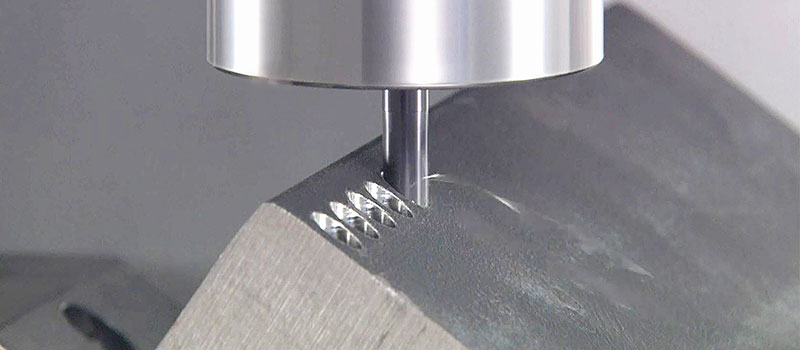
Tapping aluminum is relatively straightforward due to its softness, but precautions are necessary:
- Use of lubricants or specialized taps: These help prevent galling and sticking of aluminum on the tap.
- Monitoring for built-up edge: It’s important to ensure that the threads are clean and free from obstructions that could impair thread integrity.
Cutting with Carbide-Tipped Tools
Carbide-tipped tools provide significant advantages when machining aluminum:
- Enhanced heat resistance and longevity: Carbide tools resist the thermal and mechanical stresses better than high-speed steel (HSS).
- Ability to increase cutting speeds: Due to their superior hardness and resistance to wear, carbide tools allow for faster machining of aluminum without degrading the tool or the workpiece.
Laser Cutting
Laser cutting is particularly effective for thinner aluminum sheets where precision and intricate detailing are paramount:
- Specialized lasers: Due to aluminum’s high reflectivity, specific types of lasers are necessary to prevent beam deflection and ensure clean cuts.
- Application suitability: Ideal for creating complex shapes and fine details without mechanical stress on the material.
Waterjet Cutting
Waterjet cutting stands out when working with thicker aluminum plates, offering distinct advantages:
- No heat-affected zones: The cold cutting process prevents alterations in material properties, which is crucial for maintaining the integrity of the aluminum.
- Considerations for speed: While providing excellent cut quality, waterjet cutting may not match the speed of other techniques for large volume production, making it best for specialized or custom applications.
CNC Machining
CNC machining represents a cornerstone of aluminum fabrication, known for its precision and adaptability:
- Automated precision: CNC machines offer exceptional control over cutting speeds and feeds, crucial for machining aluminum.
- Complex geometries: Best suited for parts requiring intricate detail and tight tolerances.
- Managing challenges: Effective chip evacuation and cooling are essential, especially at higher RPMs, to prevent material sticking and machine wear.
Sawing
Sawing is a fundamental method used for cutting aluminum to size, suitable for less complex tasks:
- Tool requirements: Utilizing saw blades with a higher tooth count is recommended to ensure smooth cuts.
- Versatility: Effective for sizing aluminum bars or plates, with considerations for blade wear over time due to aluminum’s abrasive properties.
Grinding
Grinding aluminum can achieve tight tolerances and smooth finishes:
- Specialized abrasives are required to prevent clogging of the grinding wheels, as aluminum tends to stick to the grinding surface.
- Wheel cleaning is necessary more frequently to maintain effectiveness and prevent surface damage to the workpiece.
Electrical Discharge Machining (EDM)
EDM is an excellent choice for creating intricate shapes or hard-to-reach cavities in aluminum:
- Efficient conductivity of aluminum enhances the EDM process, although it might be slower compared to traditional mechanical methods.
- No direct contact between tool and workpiece reduces mechanical stress and allows for precise machining of complex configurations.
What Factors Influence Aluminum’s Machinability?

Understanding these factors can help you optimize machining operations and achieve superior results.
Machining Process
The choice of equipment and the approach to cutting tools, speeds, feeds, and the use of lubricants or coolants significantly affect the machinability of aluminum:
- Equipment type directly influences the capability to handle the specific aluminum alloy.
- Cutting tools should be selected based on their compatibility with aluminum to prevent excessive wear and tear.
- Speeds and feeds must be adjusted to balance efficient material removal with the prevention of heat build-up that can affect the tool life and finish.
Metal Itself
The intrinsic properties of the aluminum alloy being machined also dictate how well it can be machined:
- Alloy series and temper impact the hardness and strength of the material, which in turn affects chip formation and the effort required to machine the part.
- Microstructure and uniformity of the alloy can influence the consistency of machining across different parts of the material.
Material Processing
How the aluminum is processed before machining can also influence its machinability:
- Alloy chemistry and heat treatment define the material’s properties, including its response to the machining process.
- Extrusion or casting methods used in the material’s production affect its density and grain structure, which can impact tool wear and surface finish.
Metallurgy Improvements
Improvements in metallurgical processes enhance machinability:
- Extrusion techniques such as forward and backward extrusion affect the consistency and quality of the aluminum billets, influencing the machining quality.
Alloy Selection
Choosing the right aluminum alloy is crucial for effective machining:
- A6061 is popular for its balance but may challenge chip breakage.
- A6042 and A6262 are optimized for easier machining, offering benefits like better chip control and surface finishes.
Tooling Considerations
Selecting the appropriate tools and machining techniques is vital:
- Tool materials such as tool steel, high-speed steel, and cemented carbides are preferred for their durability and performance with aluminum.
- Tool geometry, including rake angles and the use of chip breakers, should be optimized to enhance chip evacuation and minimize heat build-up.
How Does Surface Finish Affect Aluminum Machining?
A smooth surface finish is beneficial for aluminum machining for several reasons:
- Reduced friction at the cutting interface minimizes the risk of the built-up edge, which can degrade the quality of the part.
- Enhanced durability of the machined part is crucial in applications where resistance to corrosion or mechanical fatigue is necessary.
- Improved tool interaction with polished surfaces leads to better overall machining performance, extending tool life and enhancing the final product quality.
How Does Chip Formation Affect Aluminum Machinability?
Chip formation plays a pivotal role in determining the machinability of aluminum. The behavior of chip breakage can significantly influence the machining operation’s efficiency and safety.
- Short, tight chips are generally ideal as they avoid tangling and help preserve the surface finish of the machined part.
- Softer or pure aluminum (1xxx series) tends to produce long, continuous chips, which can pose challenges during machining operations.
- Harder alloys (2xxx, 7xxx) may offer better chip breakage but can require more precise cutting conditions to manage effectively.
Short vs. long chip formation:
- Short chips are safer, reduce machine downtime, and enhance the quality of the machined parts.
- Long chips pose risks of entanglement that can damage both the workpiece and the cutting tool.
Strategies for improving chip control:
- Utilizing chip-breaker tools can significantly aid in managing chip size and shape.
- Optimizing speed and feed settings according to the specific aluminum alloy and cutting operation.
- Adjusting tool geometry and applying appropriate coolants or lubricants can also help manage chip formation effectively.
How Does Heat Generation Impact Aluminum Machining?
The generation and management of heat during machining are crucial factors, especially when working with aluminum.
- Excessive heat can soften the aluminum workpiece, leading to premature tool wear and degraded edge quality.
- Due to aluminum’s high thermal conductivity, it can quickly transfer heat away from the cutting zone, but in high-speed operations, localized hotspots can still occur.
- Proper use of coolants or an air blast can help maintain optimal tool life and prevent deterioration of the workpiece and cutting tool.
How to Minimize Built-Up Edge (BUE) Formation?
Built-up edge (BUE) is a common challenge in aluminum machining, affecting both the tool life and the quality of the machined surface.
- BUE occurs when aluminum adheres to the cutting edge of the tool, which can obscure the cutting edge and result in a poor surface finish and inaccurate cuts.
Tips to reduce BUE:
- Increasing cutting speeds within machine-recommended parameters can help minimize the likelihood of aluminum sticking to the cutting tool.
- Using higher rake angles and polished inserts reduces the friction that contributes to BUE.
- Employing lubricants or coolants helps reduce the temperature and adhesive forces at the cutting interface.
- Advanced tool coatings such as Diamond-Like Carbon (DLC) or Polycrystalline Diamond (PCD) can significantly reduce the tendency for aluminum to weld to the tool surface.
How to Enhance the Machinability of Aluminum Alloys?

Here’s a step-by-step guide to enhance the machinability of aluminum alloys:
- Select an appropriate alloy based on required strength and machinability rating. Different aluminum series offer varying levels of machinability and performance under machining processes. For instance, the 6xxx series provides a good balance of strength and machinability for a wide range of applications.
- Optimize cutting parameters (feeds, speeds, depth of cut). Adjusting these parameters can help minimize tool wear and maximize efficiency. High-speed machining can be particularly effective for aluminum due to its low melting temperature.
- Use specialized tooling (polished flutes, chip breakers, appropriate coatings). Tools designed specifically for aluminum can prevent adhesion and reduce the thermal impact on the tool edges, extending tool life and improving finish quality.
- Control heat via coolant or air blast. Effective heat management is critical in preventing material softening and reducing tool degradation. Coolants can also help flush away chips from the cutting area, preventing re-cutting and potential damage.
- Conduct test cuts to refine parameters for stable and predictable chip formation. Experimenting with different settings in a controlled manner can help identify the optimal conditions for specific aluminum alloys and tooling combinations.
How to Optimize Cutting Tool Geometry for Aluminum?
Optimizing the geometry of cutting tools is crucial for efficient machining of aluminum alloys, affecting both the longevity of the tool and the quality of the finished product.
- Sharper edges (high rake angles, minimal edge honing). Sharp tools minimize the force required to cut through aluminum, reducing heat generation and tool wear.
- Polished flutes to reduce friction and chip buildup. This helps in smoother chip evacuation and reduces the likelihood of built-up edge (BUE), enhancing the surface finish.
- Fewer flutes (2 or 3) for better chip evacuation at high RPM. This design feature is particularly beneficial for high-speed machining, allowing more space for chips to escape.
- Helix angle of 35°–45° for end mills. This angle range helps in effective chip removal and heat dissipation, which is critical when machining aluminum.
See 3ERP’s 7 Ways to Avoid Part Deformation in Aluminum CNC Machining for further tips on improving the machinability of aluminum during the machining process.

Conclusion
Getting to know how to machine aluminum properly involves a few key steps that really make a difference. Even though aluminum is generally easier to work with than steel, the wide range of aluminum types means you’ve got to be careful about picking the right one for your project and setting up your machine just right.