

±0.01 mm


ISO

24h








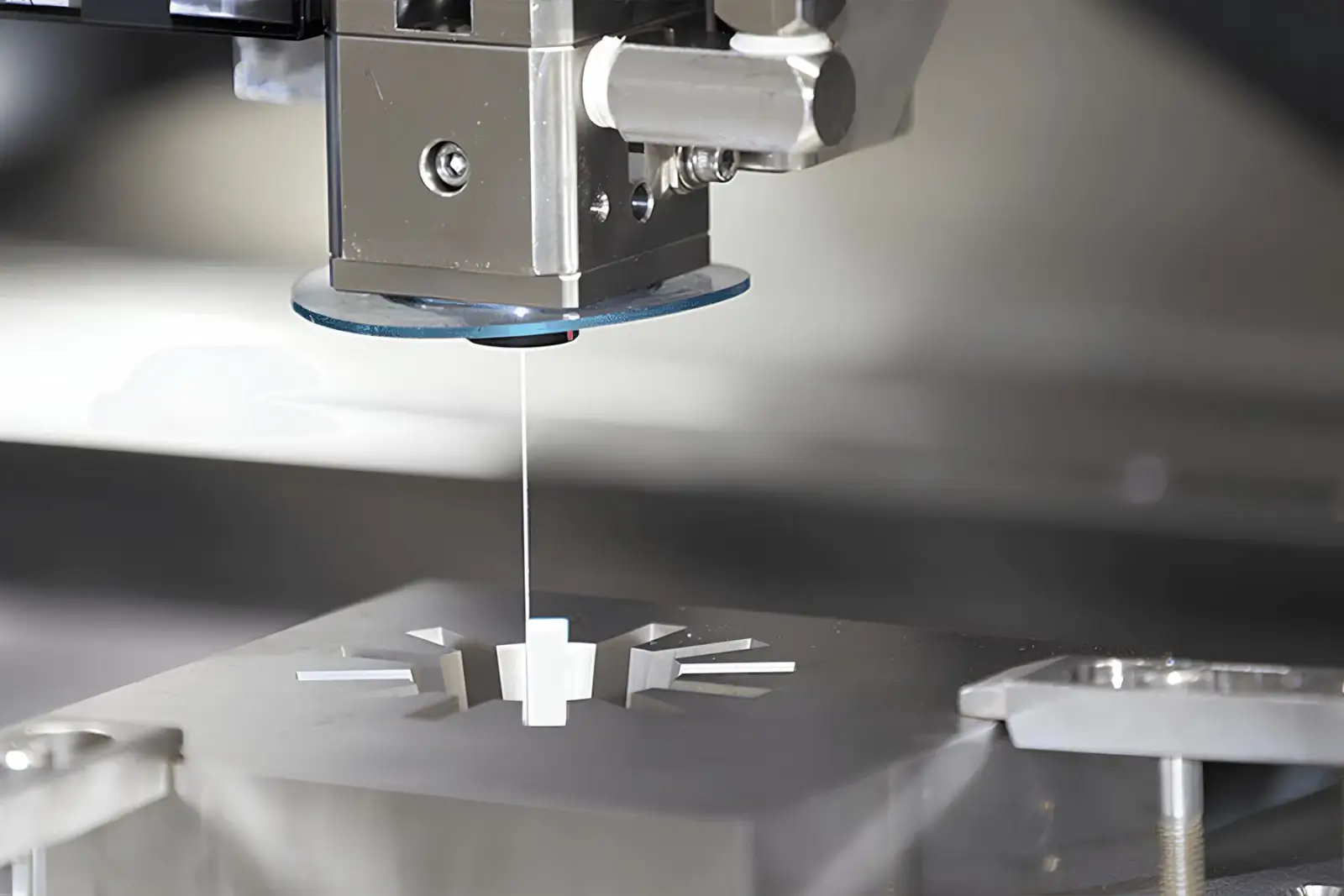
Electrical Discharge Machining (EDM) is a high-precision CNC process that removes material using controlled electrical sparks instead of physical cutting tools. By applying rapid discharges that melt and vaporize conductive metals, EDM achieves extreme precision and intricate details that are physically impossible for traditional milling.
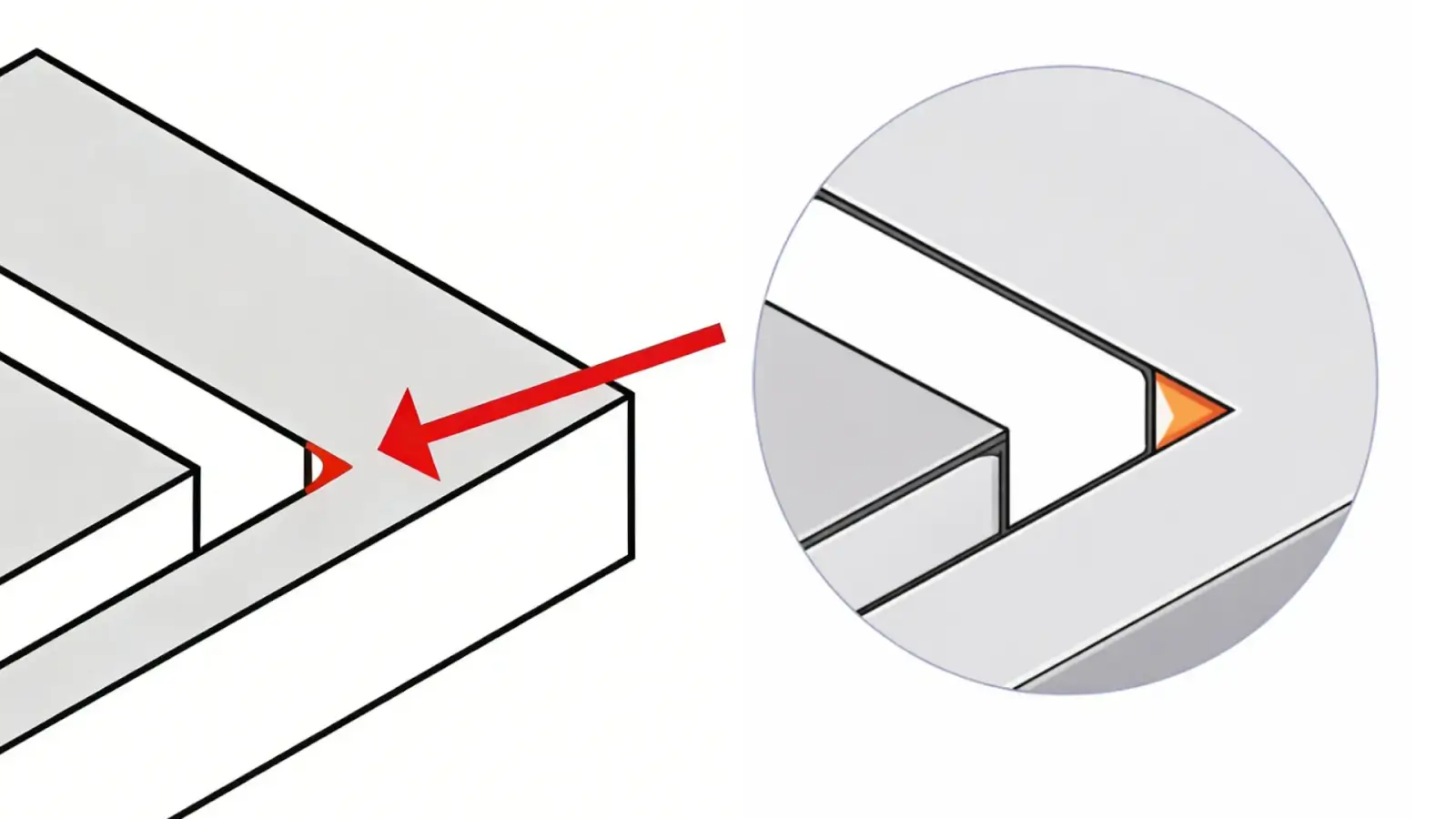
At 3ERP, we often utilize EDM as a powerful complementary process to CNC machining. When conventional methods are limited by ultra-hard materials or complex geometries, such as sharp internal corners or deep, narrow slots, EDM steps in to ensure your design intent is fully realized without compromise. Whether used for specific intricate features or as a standalone solution for hardened parts, our EDM services deliver the accuracy your project demands.
We offer three specialized EDM techniques:
Wire EDM machining, also referred to as wire-cut EDM or WEDM, is ideal for producing complex profiles and tight-tolerance features in electrically conductive materials. The process uses a continuously fed, electrically charged wire to cut through hardened steel and other tough-to-machine alloys without inducing mechanical stress.
This method is especially effective for machining hardened parts, thin-walled components, and intricate 2D or 2.5D geometries.

Sinker EDM, also referred to as RAM EDM, plunger EDM, or conventional EDM, is used to produce complex cavities and three-dimensional features in electrically conductive materials. The process employs a custom-machined graphite or copper electrode to erode material and form the desired shape within the workpiece.
This method is particularly suitable for machining blind holes and intricate internal features. Die sinking also plays a critical role in injection molding by enabling the machining of complex mold cavities and inserts.

EDM hole drilling, also referred to as start hole drilling, small hole EDM, or fast hole drilling, is used to produce small-diameter(down to 0.3 mm), deep holes in hardened and electrically conductive materials. It employs a hollow tubular electrode, typically made of brass or copper, which allows dielectric fluid to be flushed through the electrode to maintain precise cutting.
It is commonly used together with wire EDM machining, primarily to create start holes for internal or closed contour cutting, especially in hardened materials.

Our EDM machines handle extra-thick workpieces up to 600 mm, making them ideal for deep-cavity dies, precision molds, and large industrial components.
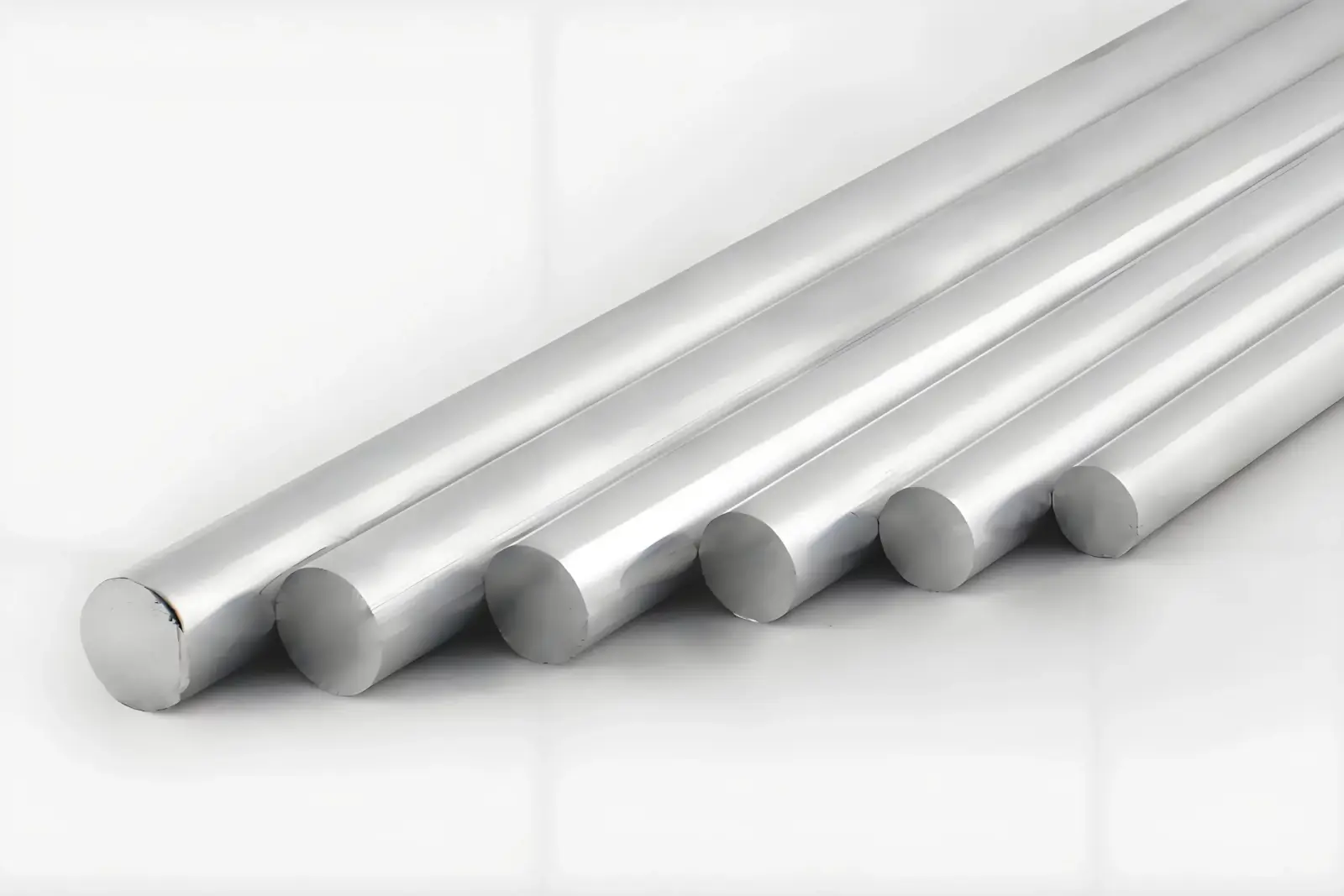
EDM is the ideal solution for any electrically conductive material, especially those that are too hard or fragile for CNC machining. Since the process is non-contact, it machines without imposing mechanical force, ensuring the integrity of the material.



As an ISO 9001:2015 certified manufacturer, we maintain strict quality control across every stage of our EDM machining process, supporting projects from rapid prototyping to low-volume production. From incoming material verification to final inspection, each part is produced and inspected to meet your exact specifications, with EDM machining tolerances as tight as ±0.01 mm.
Our quality assurance workflow includes material and design review, first article inspection, in-process monitoring, and comprehensive final inspection with full reports and certifications. Using advanced equipment such as CMMs, projectors, and X-ray material testers, we ensure consistent accuracy, material integrity, and reliable performance for precision EDM parts across global industries.

EDM (Electrical Discharge Machining) is a non-contact process that uses rapid electrical sparks to vaporize material instead of physical cutting.
Precision: Sparks act as the "tool", wearing away metal with micron-level accuracy.
Stress-Free: Because the tool never touches the part, there is zero mechanical stress, preventing distortion in delicate or thin-walled components.
Controlled Environment: The process happens in a dielectric fluid that stabilizes electricity and flushes away debris.
The main difference is the method of removal:
CNC: Uses rotating physical tools to mechanically cut material. It is faster for general bulk material removal.
EDM: Uses electrical discharges (sparks). It is slower but can machine hardened metals and complex geometries (like zero-radius internal corners or deep ribs) that are impossible for CNC tools to reach.
You should opt for EDM when your project involves:
Ultra-hard materials: Such as tungsten carbide, hardened tool steel (60+ HRC), or superalloys.
Intricate details: Sharp internal corners, micro-holes (down to 0.3 mm), or very thin walls.
Deep cavities: High-aspect-ratio features where traditional CNC tools would vibrate or break.
Because of its extreme precision, EDM is the industry standard for:
Medical: Producing titanium implants and surgical instruments.
Aerospace: Creating cooling holes in turbine blades and engine components.
Tool & Die: Fabricating complex injection molds, extrusion dies, and stamping tools.

