

ISO

+

+

K+








For complex and time-sensitive machined parts, 5-axis CNC machines offer unparalleled flexibility and speed. 3ERP’s experienced team can help bring your ideas to life, from rapid prototypes to end-use parts for safety-critical applications. Our 4-axis, 5-axis milling capabilities enable us to provide precise parts with complex geometry. For information on our general CNC services, including 3-axis milling, CNC turning, and EDM,
see our CNC machining services page.
We operate top-tier HAAS and JingDiao 5-axis CNC machines, supported by a state-of-the-art on-site inspection system to ensure ultra-tight tolerances and consistent quality.
Technically, adding two more axes to a traditional 3-axis setup results in a machine with five axes, but the 3+2 axis is not truly equivalent to a 5-axis machine.


5 axis CNC machines can have different configurations. All have spindles that travel along the X, Y and Z axes, but machines can add the two “extra” axes in different ways. The most common types of 5-axis CNC machine are trunnion-style machines and swivel-rotate-style machines. Some machines combine features of both.


5-axis machining is widely used in the automotive industry for the prototyping and production of car components.

Although turnaround times may be a big concern for some aerospace companies, complexity is the main reason why the industry is so dependent on 5-axis CNC.
Aircraft components often have intricate geometries — frequently including curves and interior cuts — that would take a long time to machine on a 3-axis setup.
5-axis machining can be used on all manner of titanium and aluminum aerospace parts, including:

Titanium and stainless steel surgical tools are frequently fabricated with 5-axis machining. These parts must be made to a high level of precision and are often made in large quantities, which favors the increased efficiency of a 5-axis CNC machine.

Large-scale 5-axis machine shops are frequently employed by governments for military projects, with 5-axis CNC suitable for the production of parts such as:

In the electronics industry, 5-axis machining can be used to make essential parts for consumer electronic devices such as digital cameras and laptops.
Electronics casings and enclosures are often machined from plastic or aluminum, and 5-axis CNC is especially useful for chassis of irregularly shaped devices such as SLR cameras.
5-axis machining can also be used to fabricate parts like heat sinks — especially those with irregular or densely populated fin patterns. The efficiency and deftness of 5-axis also makes it easy to fabricate heat sinks in large quantities.

5-axis CNC machining can be used to cut deep mold cavities with minimal tool chatter and maximum precision. This is because 5-axis provides much better tool access to the workpiece, which in turn allows shorter cutting tools to be used.
All of this makes 5-axis CNC an appealing alternative to EDM, which is a much slower moldmaking process than CNC machining.

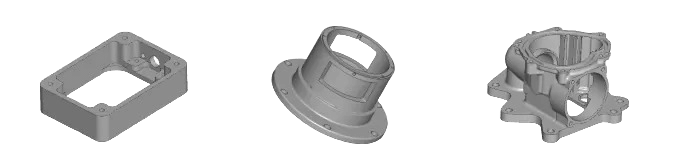
Over the years, we’ve successfully tackled various complex machining challenges—delivering precise, reliable solutions for parts with intricate and unconventional shapes. Explore the case studies below to see how our 5-axis CNC machining services bring high-precision parts to life.


Tolerance of the deep cavity is +/-0.02mm, in the meantime, the roughness must be Ra0.1. The small channels are multiple directions, tight tolerance to ensure the rate of flow.
Use 5 axis milling machine to minimize the machining step. Special drilling tool for the 0.5mm holes. Reamer to achieve high gloss inner surface.
We received the cylinders yesterday. Our engineers have inspected them and assembled them with other components. All goes well. Thank you so much for such a great job. Please send our thanks to your projection team. We are planning to make 5 more pieces in a different design few days later. Will shot you an email when the design is ready. Have a nice day!
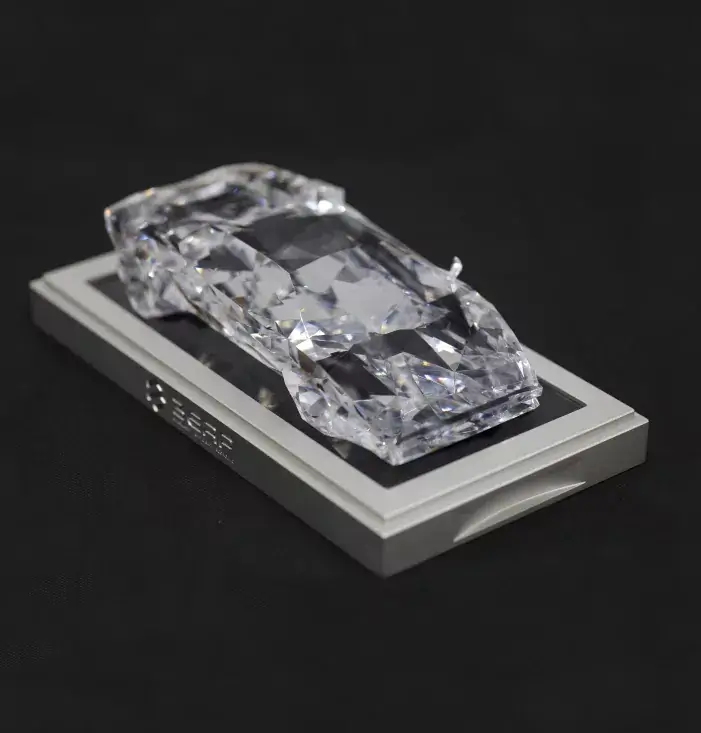
The geometry of this model is complex. Some of the joint lines are almost flat.
Our customer had this model made by 3D printing which is not as good as expected.
Use our precision 5-axis CNC milling machine to get the diamond surface milled as fine as possible. That we can avoid sanding and polishing it directly after machining.
Hey folks, thank you very much for bringing our design into reality! We really appreciate that your team guided us to the right path. CNC machining is indeed a better way than 3D printing to make this model.
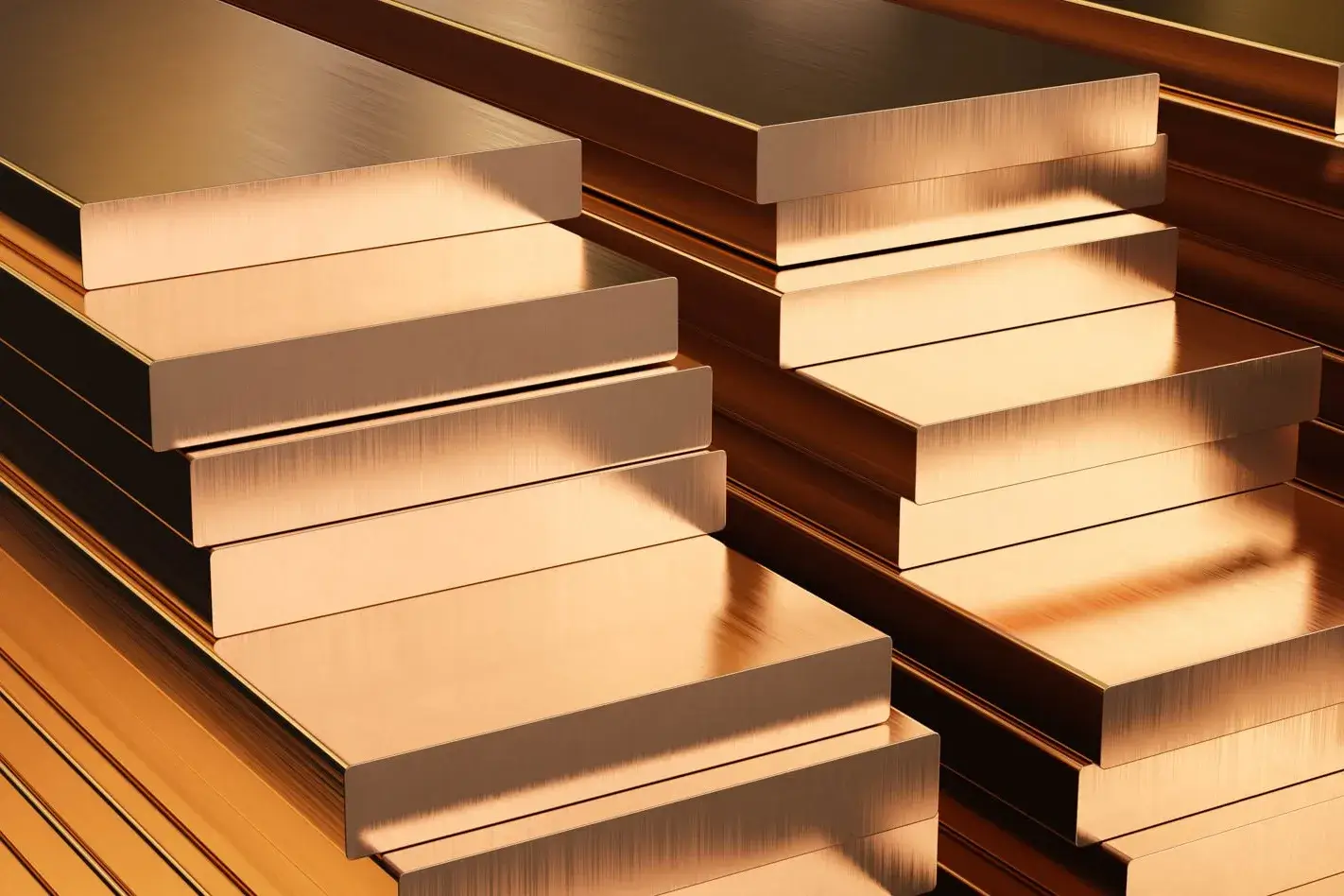
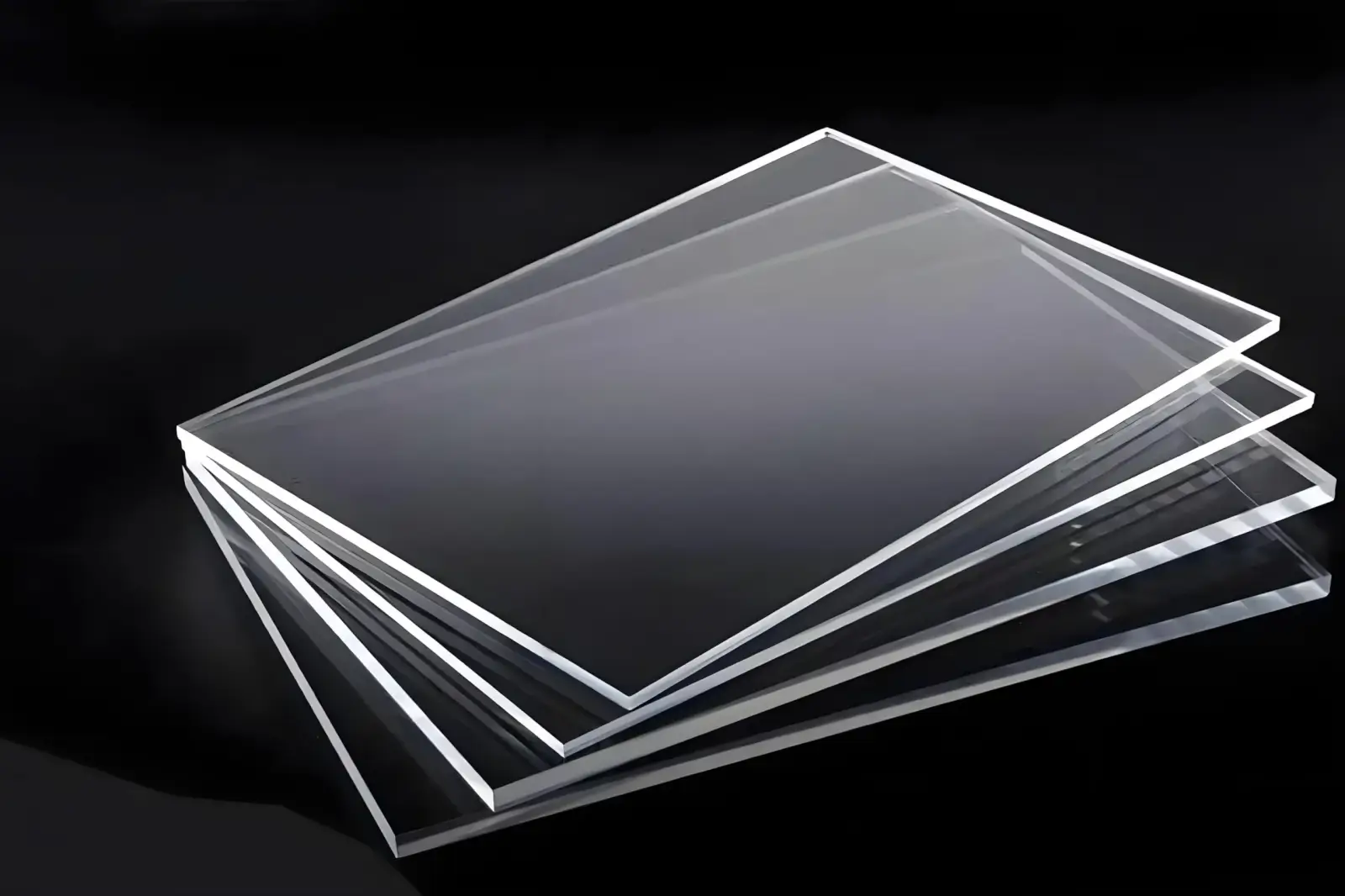
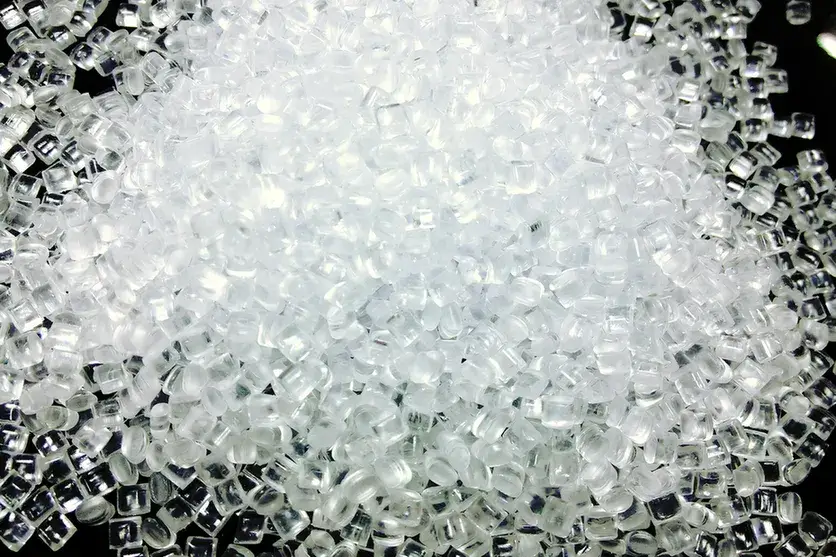
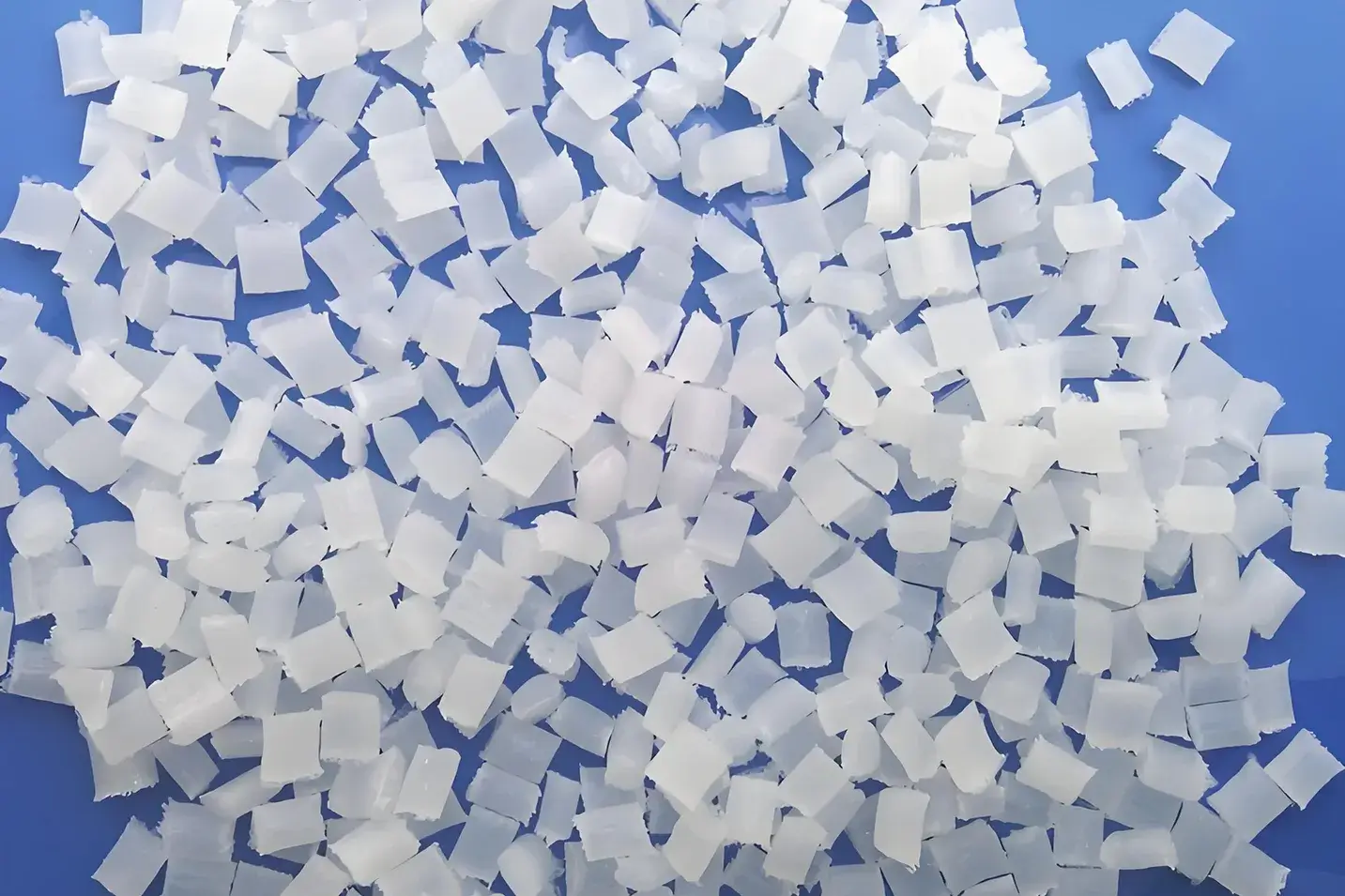
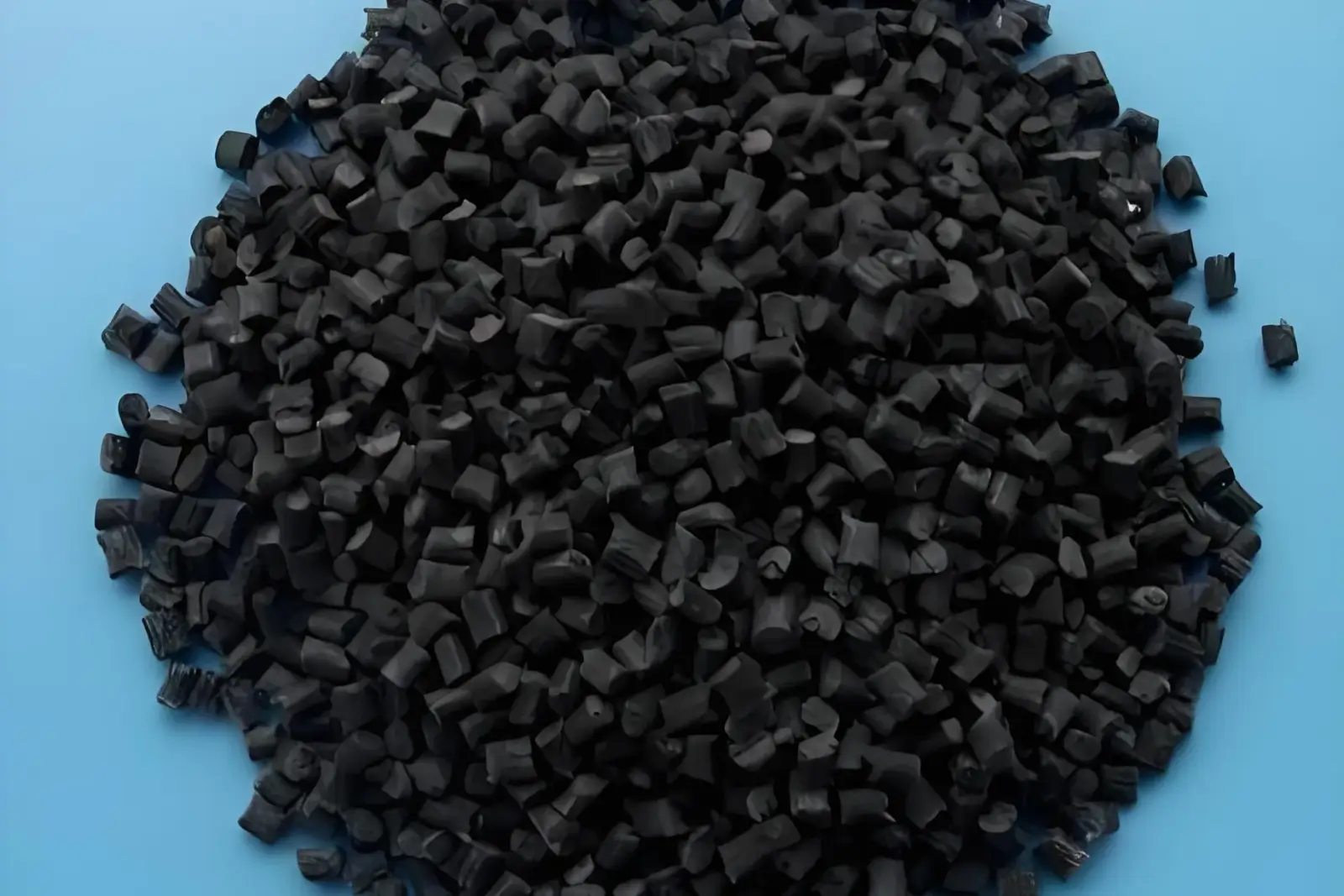
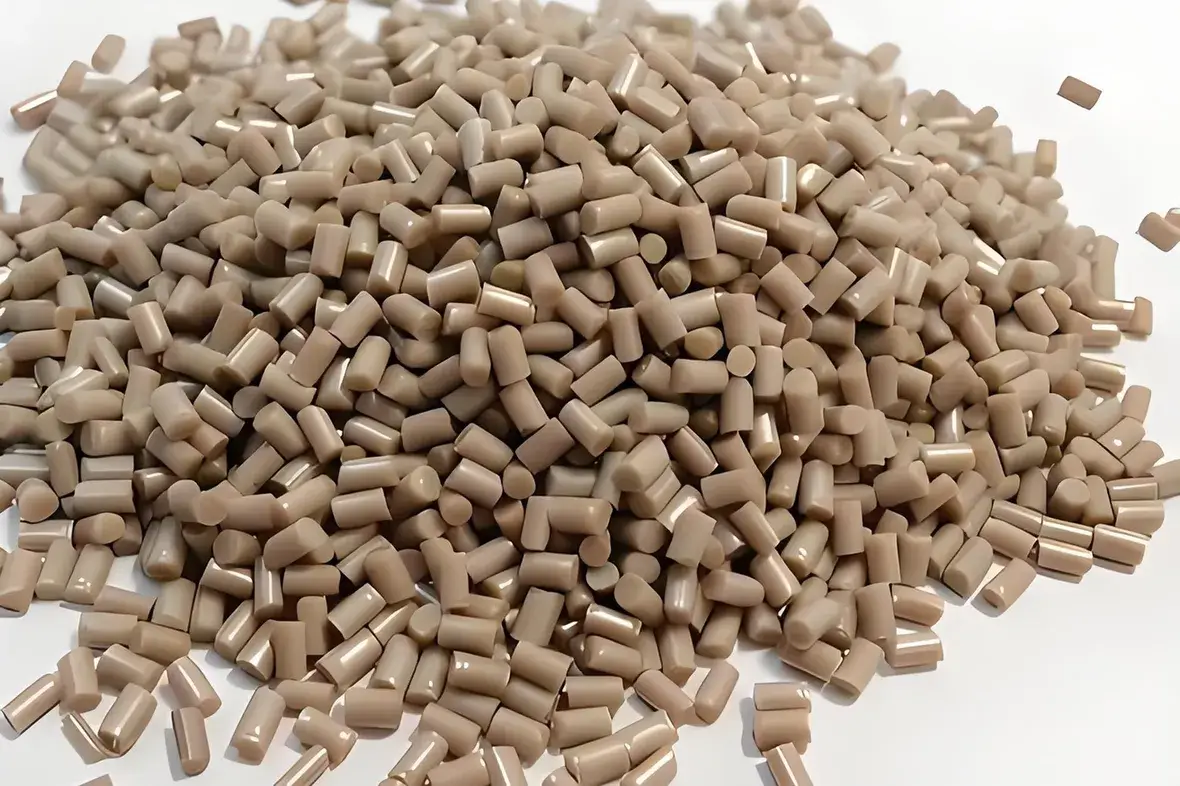
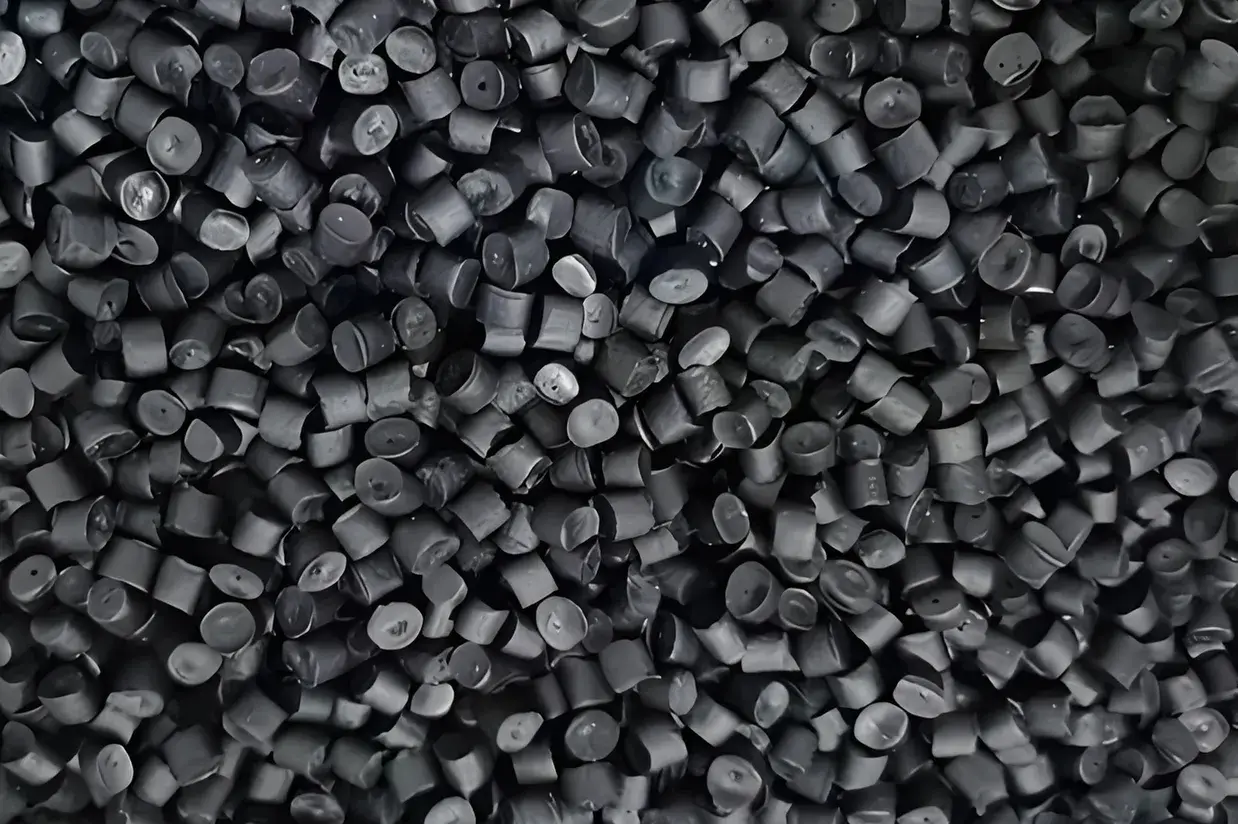
Beyond a well-designed engineering plan, selecting the right material can help lower overall costs. 3ERP provides a variety of material options—contact us if you need guidance in choosing the best one for your project!
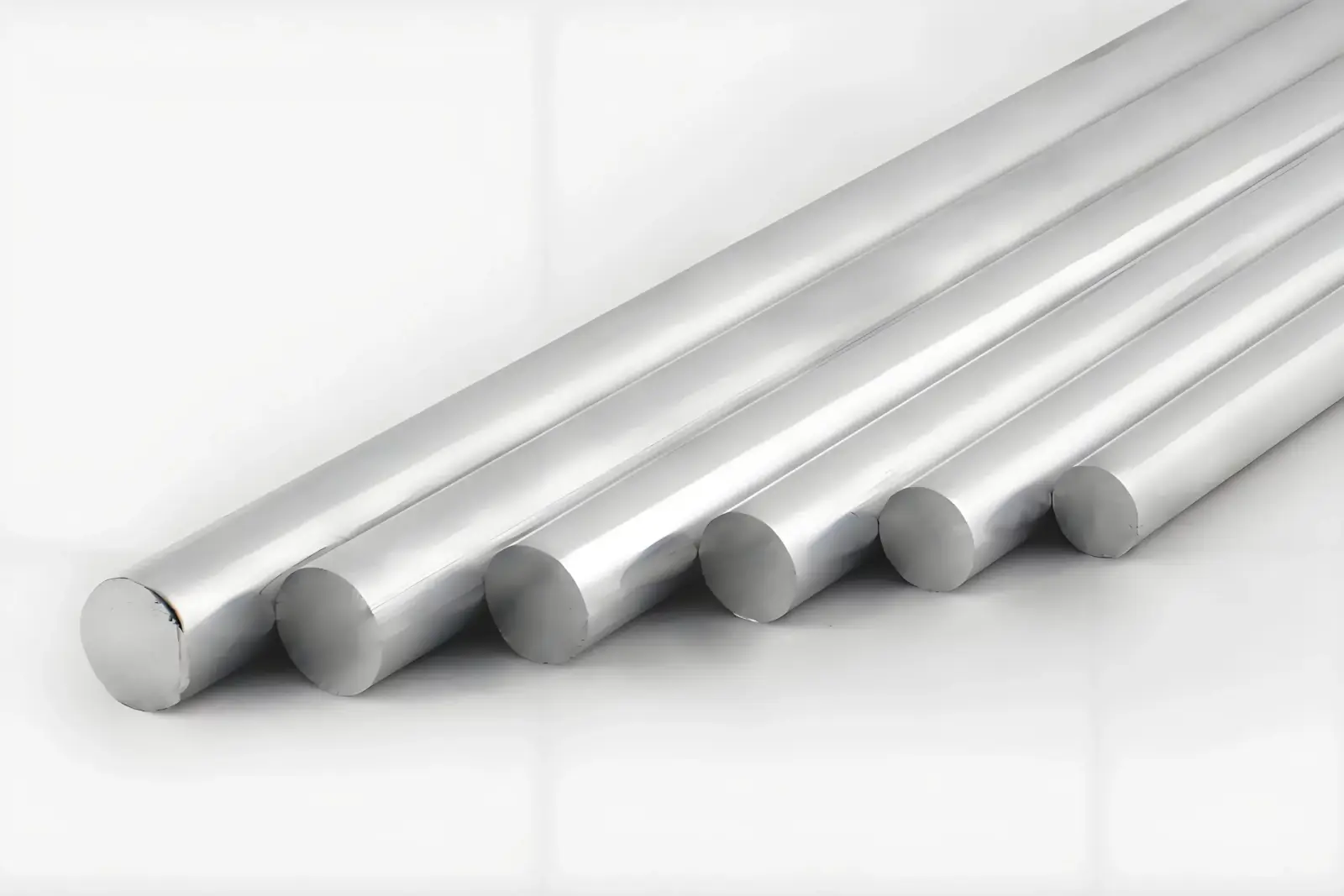
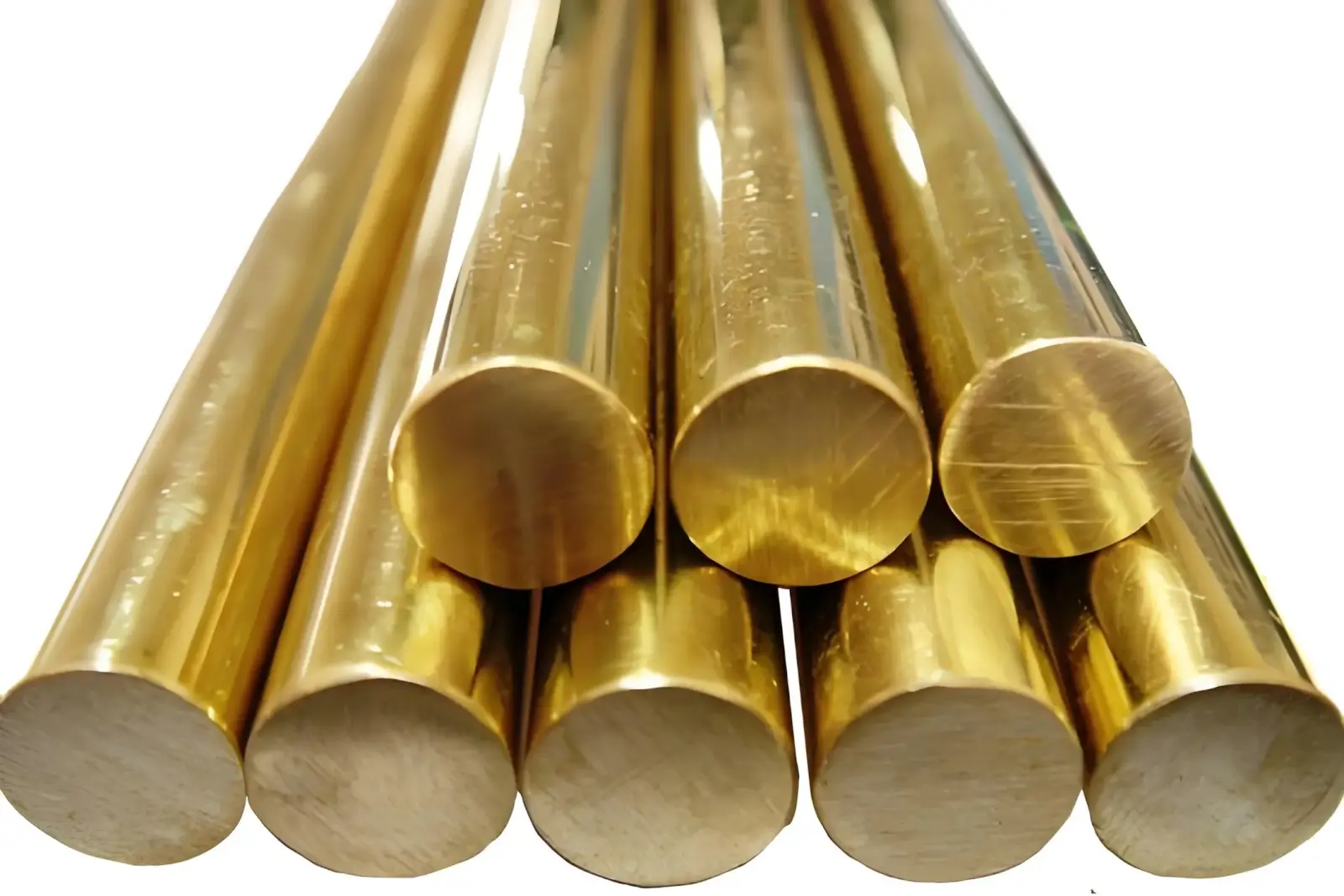
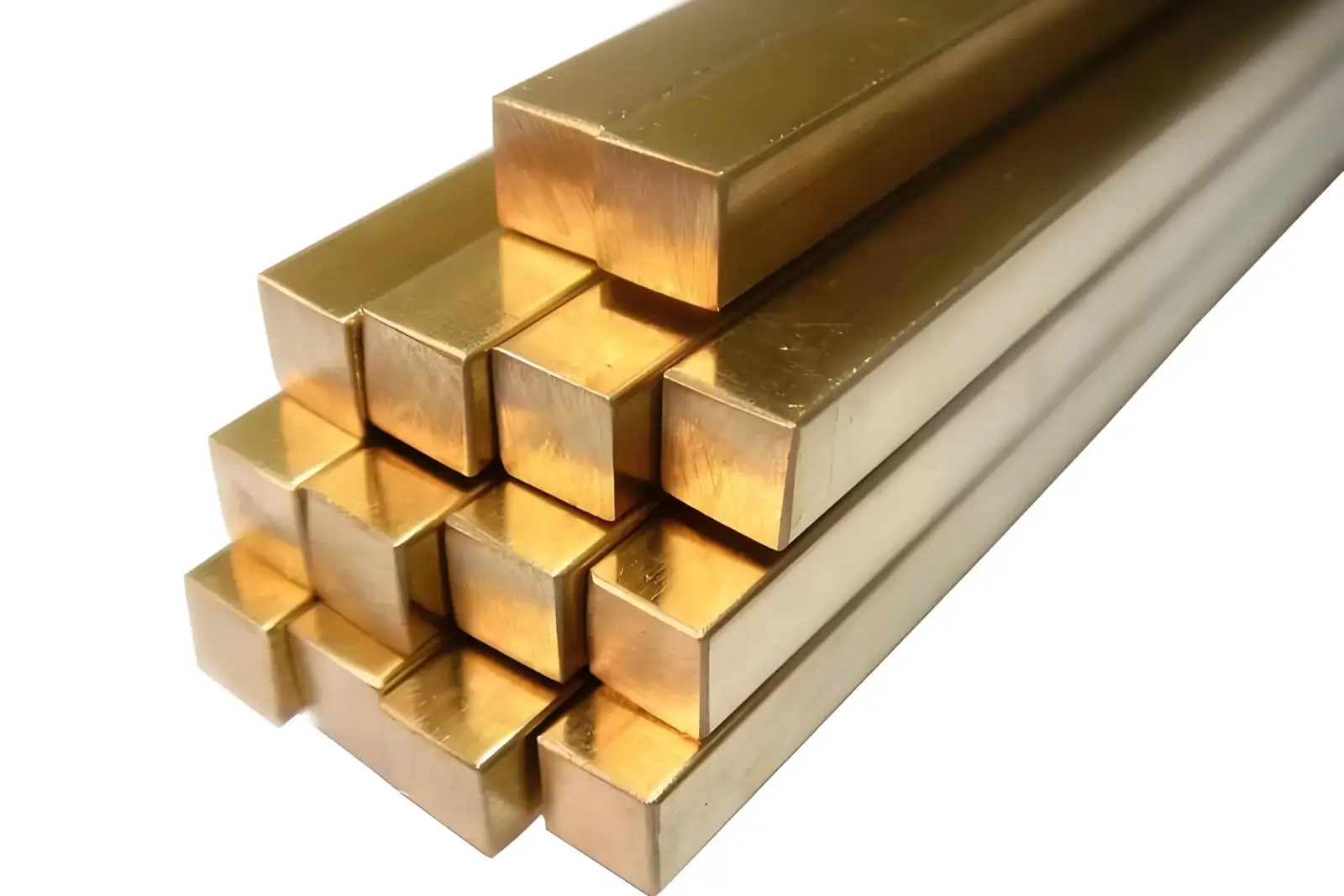
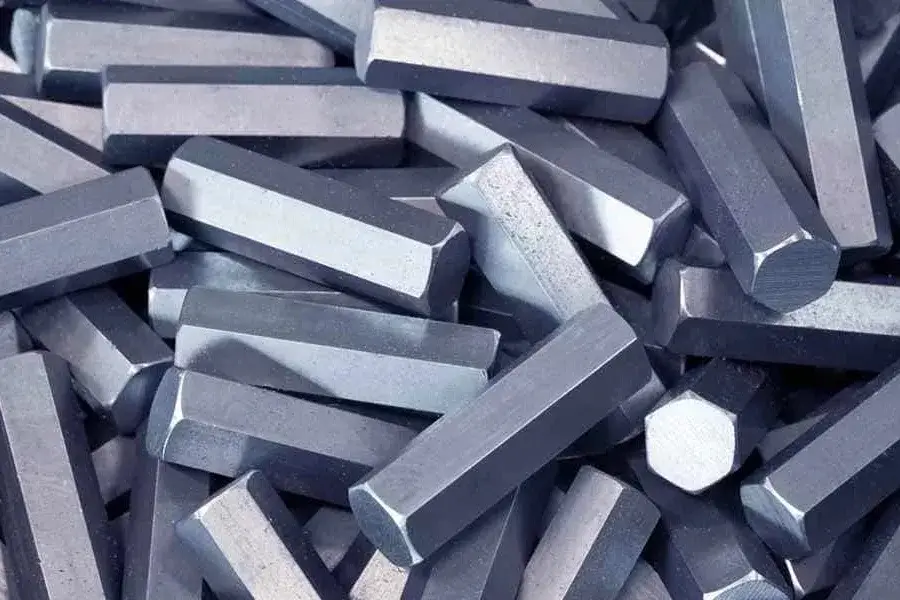
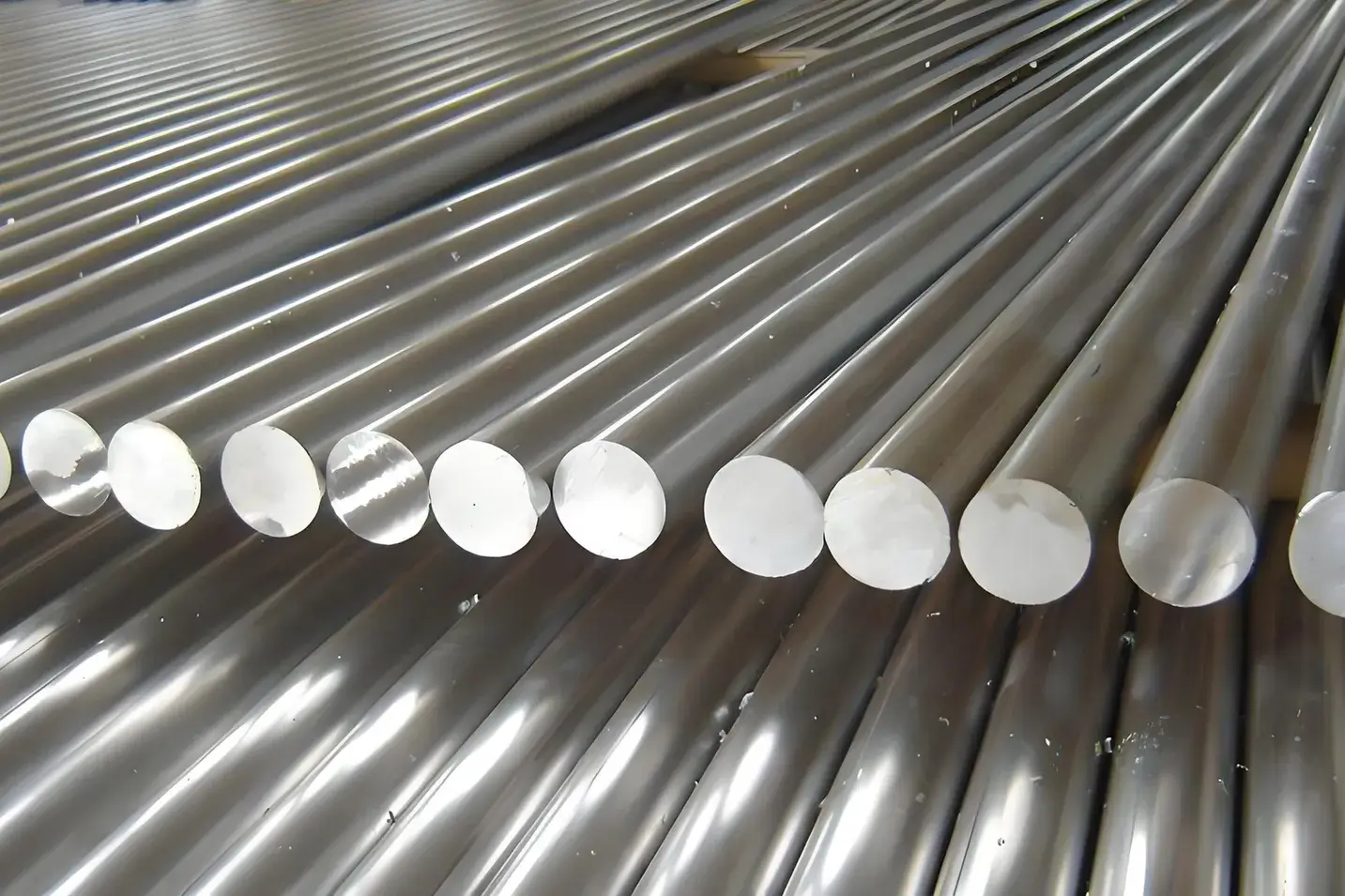












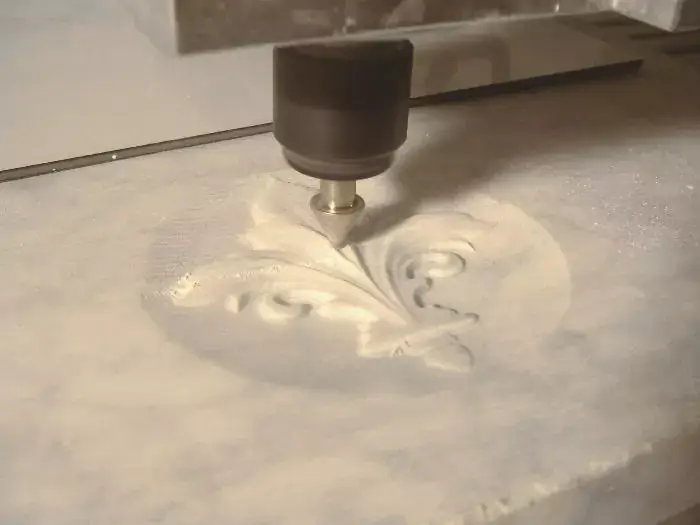
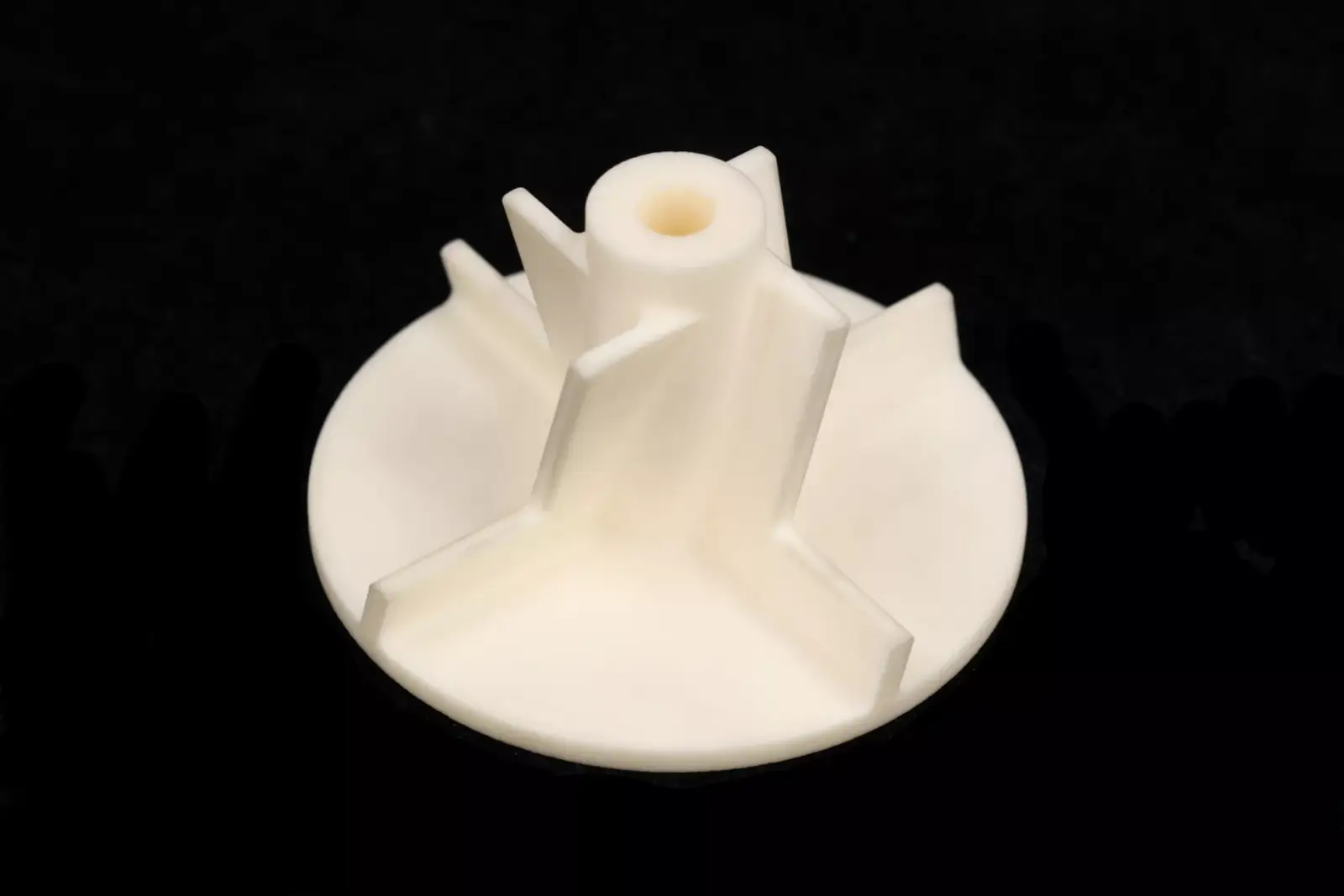
Optimize your parts for precision, efficiency, and cost with these essential design tips for 5-axis CNC machining.





5-axis CNC machining is an advanced manufacturing process where the cutting tool moves along five axes—X, Y, Z, A, and B—enabling precise and efficient fabrication of complex parts in a single setup. This reduces setup time, enhances accuracy, and allows for greater design flexibility.
Axis Breakdown:
X-axis: Left to right (horizontal)
Y-axis: Front to back (horizontal)
Z-axis: Up and down (vertical)
A-axis: Rotation around the X-axis (tilting)
B-axis: Rotation around the Y-axis (swiveling)
With a 3-axis CNC machine, the spindle moves up and down, side to side, back and forth. 5-axis machines, in addition to this 3-axis movement, have two further axes in play: the table rocks side to side on two different axes, or the spindle swivels on two axes.
Because of the flexibility offered by 5-axis machining, it should be used to create the most complex shapes and details in parts. The stability of the tool also provides a smoother and more consistent finish.

