
Logo

3D Printing Environmental Impact and Sustainability: How Additive Manufacturing Offers Sustainable & Environmentally Friendly Solutions

guide to 3D printing materials
Table Of Contents
Stay in the the loop
Subscribe To Our Newsletter

3D printing is changing how we make things, and it’s also making manufacturing greener. Traditional ways of making things add a lot to global carbon emissions, which is a big problem for our climate. But 3D printing uses less material and makes supply chains simpler, which could really cut down these emissions.

More and more, people are asking for businesses to be eco-friendly. Sustainable 3D printing is becoming essential, not just a nice-to-have. However, using 3D printing in the best way involves tackling some tough issues like how much energy it uses, where the materials come from, and what happens to products when they’re no longer needed.

Experts think that by 2050, we could use up to 90% less material for 3D printing than we do today, which would also mean less pollution from transporting goods far and wide. That’s a big win for the planet.

In this article, we’ll discuss the impacts and benefits of 3D printing in our environment and what that means for all of us.

What Is 3D Printing?

What Is 3D Printing

3D printing, or additive manufacturing, is a process that creates objects by adding material layer by layer, following a digital model. This contrasts sharply with traditional subtractive manufacturing methods like milling, which remove material from a larger block. Key 3D printing techniques include Fused Deposition Modeling (FDM), which melts and extrudes thermoplastic filaments; Stereolithography (SLA), which uses UV light to harden liquid resin; and Selective Laser Sintering (SLS), which fuses powder particles with a laser, often using plastics or metals. These methods can significantly reduce material waste—by 70–90% in some cases—and are capable of reusing some portion of leftover materials, emphasizing the importance of efficient material handling. The origins of 3D printing trace back to the early 1980s, with innovations that have since propelled this technology into both commercial and environmental conversations.

Why Does Environmental Responsibility and Sustainability Matter in 3D Printing?

In the realm of 3D printing, environmental responsibility is not just about reducing waste or carbon emissions—it’s about securing a sustainable future for manufacturing. By adopting eco-friendly practices, companies not only align with global climate goals but also enhance their brand reputation, as today’s consumers favor companies committed to sustainability. Moreover, such practices can lead to significant reductions in operational costs due to improved resource efficiency and energy savings. Regulatory compliance is another critical factor, as both local and global regulations tighten, requiring businesses to adapt to stringent environmental standards. Financially, sustainable operations often correlate with increased profitability due to lower overheads. Socially, promoting sustainable 3D printing supports local economies, reduces the dependency on extensive supply chains, and fosters innovation, making it a pivotal strategy for future growth. Notably, many regions are now offering incentives to adopt greener manufacturing technologies, which can significantly reduce the initial costs associated with transitioning to additive manufacturing.

Filament Recycling

Is 3D Printing Sustainable?

3D printing can be sustainable when managed responsibly, but it is not automatically so. Its additive nature often reduces raw material usage significantly compared to traditional manufacturing methods, with some estimates suggesting up to a 90% reduction in raw resource demands by mid-century. Additionally, it can decrease shipping-related emissions by enabling local or on-site production. However, the true sustainability of 3D printing hinges on selecting low-impact materials, utilizing energy-efficient printers, and implementing robust recycling or closed-loop processes for leftover materials and failed prints. Proper planning, life cycle assessments, and ongoing innovation are essential for enhancing the sustainability of 3D printing. Research suggests that with fully optimized systems, 3D printing might reduce overall manufacturing energy use by about 50%, and broad adoption of additive methods could significantly lower global industrial waste.

Is 3D Printing Eco-Friendly?

3D printing can be eco-friendly in specific applications, but being “eco-friendly” mainly refers to reducing immediate environmental harm. In contrast, “sustainability” encompasses broader aspects like long-term resource management and life cycle impacts. Eco-friendly practices in 3D printing might include using biodegradable filaments, minimizing volatile organic compounds (VOCs), and avoiding energy-intensive steps in logistics. However, many 3D printing materials are still petroleum-based, and the processes can emit VOCs. Some 3D printers also use more energy per kilogram of output than traditional manufacturing methods if not properly managed. Transitioning to greener filaments, renewable energy sources, and enhanced waste management practices can significantly improve the eco-friendliness of 3D printing. Additionally, local production helps reduce CO₂ emissions from transportation, which enhances the immediate environmental benefits of 3D printing.

What are the Key Sustainability Benefits of 3D Printing?

3D printing offers several substantial sustainability benefits that make it an appealing choice for environmentally conscious manufacturing:

  • Efficiency Gains: The additive process uses only the necessary materials, significantly reducing waste.
  • Reduced Transportation Emissions: On-demand and localized manufacturing cuts down long supply chains, decreasing the carbon footprint associated with transportation.
  • Design Optimization: Advanced design capabilities allow for the creation of complex geometries that are lighter and require fewer resources to produce and operate, further reducing the environmental impact.
  • Streamlined Production: Smaller, more efficient production setups can handle large jobs, potentially reducing the energy usage and physical space required for manufacturing operations.
  • Rapid Prototyping: Accelerates innovation cycles, leading to quicker advancements in eco-friendly technologies such as renewable energy devices and low-impact consumer products.

Extended Product Lifecycles: On-demand production of spare parts can help extend the lifecycle of products, promoting a circular economy and minimizing overproduction and waste.

Material Efficiency and Waste Reduction

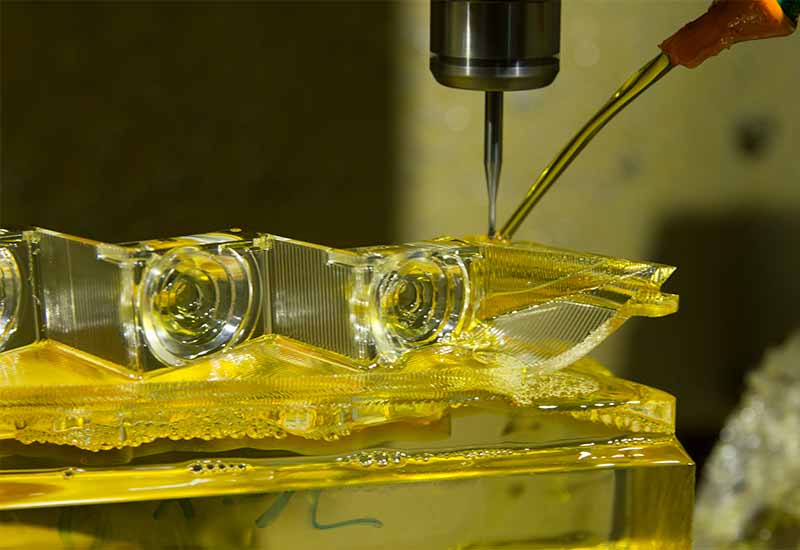
3D printing exemplifies sustainability in manufacturing by prioritizing material efficiency and significant waste reduction. Unlike traditional subtractive manufacturing processes, which often result in substantial scrap from cutting or milling, additive manufacturing layers material precisely where it’s needed, dramatically minimizing waste. In some cases, industries report up to 95% less waste with additive manufacturing compared to their subtractive counterparts. This efficiency is crucial not only for reducing raw material consumption but also for lessening the environmental footprint associated with material extraction and processing.

Moreover, the ability to print on demand plays a pivotal role in reducing overproduction; a common issue in conventional manufacturing that contributes to excess inventory that may never be used. By aligning production closely with actual demand, 3D printing ensures that each piece produced is necessary, further diminishing potential waste. Additionally, the advent of closed-loop systems enhances sustainability by allowing the reuse and recycling of materials, such as leftover plastics or failed prints. Some advanced powder-based 3D printing technologies even allow users to reclaim and reblend powder for future prints, though some degradation might occur with each cycle. With the proliferation of desktop-level printers, adopting these best practices is increasingly vital to curb waste generated in homes and educational settings.

On-Demand and Localized Production

3D printing revolutionizes traditional manufacturing paradigms through on-demand and localized production, which significantly shortens supply chains and reduces transportation emissions. By producing parts only as needed, 3D printing eliminates the necessity for large-scale warehouses filled with pre-manufactured inventory, thus reducing the reliance on extensive and often carbon-heavy global distribution networks.

Localized production facilities leverage digital designs to print items on-site, drastically cutting down the time and fossil fuel consumption associated with transporting goods over long distances. This shift not only supports a reduction in overall carbon emissions but also enhances the flexibility and responsiveness of manufacturing processes to market needs.

The decentralization of manufacturing through 3D printing allows businesses of all sizes—and even individuals—to produce items at or near the point of consumption. This approach not only simplifies logistics and reduces packaging waste but also potentially lowers the total cost of products by eliminating various middlemen. Furthermore, by reducing the need for intercontinental shipments, localized 3D printing can significantly decrease the carbon footprint of manufactured goods, particularly for high-volume parts.

Energy Savings and Reduced Emissions

Despite some 3D printing methods consuming higher energy per item than traditional manufacturing techniques like molding, the overall environmental impact of 3D printing can still be less severe due to significant reductions in logistics and material waste. Localized production eliminates the need for long-haul transportation, which is a major contributor to the carbon footprint of conventional manufactured goods. Innovative 3D printing designs, such as those utilizing internal lattice structures, not only use less material but also require less energy to produce and transport.

The potential for energy savings is further enhanced when 3D printers are powered by renewable energy sources, dramatically reducing their carbon impact. This shift helps mitigate the higher energy consumption of certain 3D printing processes, such as those using laser-based technologies like Selective Laser Sintering (SLS) and Stereolithography (SLA), which can be energy-intensive. However, the integration of rapid prototyping with these methods can still lead to a net decrease in energy use throughout a product’s lifecycle. Experts have noted that some 3D printing operations may use 50 to 100 times more electrical energy per unit mass compared to injection molding, emphasizing the importance of incorporating renewable energy sources to maintain a sustainable manufacturing process.

Design Optimization and Innovation

3D printing allows engineers to push the boundaries of design far beyond traditional manufacturing capabilities, leading to the creation of parts that are both lighter and stronger. This design freedom enables the integration of complex geometries, such as lattice or honeycomb patterns, which significantly reduce material usage without compromising structural integrity. These optimized designs not only lessen the resources needed for production but also improve the energy efficiency of products during use, particularly in sectors like aerospace and automotive where weight reduction translates directly into fuel savings and reduced emissions.

The ability to rapidly prototype with 3D printing fosters a culture of continuous improvement, allowing for iterative design enhancements that refine product functionality while further reducing material and energy use. As a result, optimized component engineering not only cuts operational costs but also enhances product durability and extends the service life of manufactured goods, thus promoting sustainability at scale.

Emerging software tools aid this process by analyzing part stress distribution to remove unnecessary mass, ensuring that each component is as lightweight as possible without sacrificing performance. Additionally, AI-assisted design platforms streamline the prototyping process, reducing manual trial-and-error and enabling faster realization of sustainable product innovations.

Extending Product Lifecycles Through Repair or Replacement Parts

3D printing significantly contributes to sustainability by enabling the cost-effective production of spare parts and repairs, thus extending the lifecycles of products and reducing waste from discarded items. This capability is particularly beneficial for maintaining and upgrading existing equipment, as it allows for the on-demand printing of parts that may be out of stock or difficult to find. This approach not only prevents the premature disposal of functional equipment but also supports a shift towards a more circular economy.

By facilitating the repair of older or specialty devices for which manufacturing new parts on a large scale is not feasible, 3D printing helps conserve resources and reduce landfill waste. Furthermore, techniques such as direct metal deposition have evolved to restore damaged components in industrial applications, thereby preserving raw materials and keeping parts in service longer.

Local shops and repair facilities increasingly utilize 3D scanning technologies to replicate worn or broken pieces precisely, dramatically speeding up the repair process and further reducing the need for new material production.

What Is the Environmental Impact of 3D Printing?

What Is the Environmental Impact of 3D Printing?The environmental impact of 3D printing is complex and dual-faceted. On the positive side, additive manufacturing significantly reduces material waste and cuts back on shipping-related emissions, which are substantial benefits in the quest for environmental sustainability. This technology allows for precise material usage, drastically lowering the waste produced compared to traditional subtractive manufacturing methods like milling or cutting, where scrap material is a significant concern.

However, 3D printing is not without its challenges. The technology often requires high operating temperatures, which can lead to increased energy consumption. Additionally, many 3D printers emit volatile organic compounds (VOCs) and ultrafine particles, which can pose health risks if not properly ventilated. The environmental friendliness of 3D printing also varies based on the materials used; not all 3D printing materials are easily recyclable, and failed prints contribute to plastic waste.

Despite these challenges, life cycle analyses generally demonstrate that 3D printing can lead to a net positive environmental outcome when factors like transport, raw material extraction, and reduced overproduction are considered. Advances such as closed-loop material systems, biodegradable resins, and improved filtration techniques are continually being developed to mitigate the negative impacts. Ultimately, the broader adoption of 3D printing technology hinges on making informed choices about materials, energy management, and machine operation to ensure that its deployment is as green as possible.

Comparing Traditional and Additive Methods

Traditional manufacturing methods, often known as subtractive processes, typically involve cutting away significant amounts of material from a solid block, resulting in considerable waste that often ends up in landfills or requires energy-intensive recycling processes. In contrast, additive manufacturing, or 3D printing, adds material layer by layer, only where needed, which can dramatically reduce material waste—by up to 90% in some instances.

Subtractive methods also usually require large, centralized production facilities that rely on extensive supply chains, contributing to higher transport emissions. Additive manufacturing, however, can be implemented locally, significantly reducing the need for long-distance transportation and thus lowering the associated carbon emissions.

Still 3D printing is not without its drawbacks in energy consumption. It can sometimes use more electricity per unit produced, particularly with methods that operate at high temperatures or when printing large parts. However, the flexibility in production location and the reduction in material waste often offset these higher energy costs, making 3D printing a compelling choice for sustainable manufacturing.

Are 3D Printing Resins and Materials Environmentally Friendly?

While 3D printing offers revolutionary potential in terms of design and efficiency, the environmental friendliness of the materials used remains a concern. Many widely used 3D printing materials, such as ABS (Acrylonitrile Butadiene Styrene), are petroleum-based plastics that are neither biodegradable nor easy to recycle. However, there is a growing shift towards more sustainable alternatives.

Thermoplastics like PLA (Polylactic Acid), derived from renewable resources such as cornstarch or sugarcane, represent a more eco-friendly option as they are biodegradable under certain conditions. Yet, even these materials can leave behind microplastic residues, which are problematic for environmental health.

The industry is also exploring the use of bioplastics and innovative materials like algae-based polymers to reduce reliance on traditional, petroleum-based plastics. These efforts are crucial for reducing the overall environmental impact of 3D printing. Nonetheless, the disposal of materials like resins, particularly those used in SLA (Stereolithography) processes, must be managed carefully to avoid contaminating ecosystems, as improper disposal can lead to significant environmental damage.

Are There Innovative Eco-Friendly Materials for 3D Printing?

In 3D printing, the quest for sustainability drives the development of innovative materials that are not only efficient but also environmentally friendly:

  • Bioplastics and Bio-based Polymers: The industry is witnessing significant advancements in bioplastics that blend plant fibers or algae-based polymers, dramatically reducing reliance on fossil fuels. These materials are not only sustainable but also help in creating products with a smaller carbon footprint.
  • Recycled Materials: Some new filaments blend post-consumer plastic waste or the remnants of failed prints, embodying the principles of a circular economy. This approach significantly lessens the environmental impact associated with raw material extraction and waste.
  • Energy-efficient Production: Low-temperature biopolymers are being developed to reduce the energy consumption during the printing process, further enhancing the sustainability of the technology.
  • Advanced Composites: In larger-scale applications, such as construction, recycled cementitious compounds are used to reduce carbon emissions by over half compared to traditional building materials.
  • Compostable Options: Ongoing research is focused on developing fully compostable resins that could one day be safely broken down without leaving harmful residues.

Why Are Carbon Emissions in Manufacturing Critical to Address?

As a significant source of global carbon output, manufacturing processes contribute extensively to climate change. You might be surprised to learn that sectors such as industrial air conditioning alone are responsible for about 4% of worldwide CO₂ emissions. This highlights the importance of addressing emissions in every corner of the manufacturing sector.

Efforts to reduce these emissions are not just about compliance or environmental stewardship—they also align with substantial financial benefits. By reducing their carbon footprint, manufacturers can achieve more efficient operations, leading to lower energy costs and enhanced supply chain logistics. Industry-wide, there’s a shift toward setting ambitious net-zero targets, supported by governmental regulations aimed at curbing greenhouse gases.

Moreover, adopting greener practices in manufacturing not only helps the planet but also boosts a company’s reputation, meeting the growing demand from consumers and investors who favor environmentally responsible businesses. Innovations in manufacturing processes, particularly through the adoption of additive manufacturing techniques like 3D printing, offer promising pathways to reduce overall emissions. This approach leverages local production and recycled materials, significantly reducing the carbon-heavy supply chains associated with traditional manufacturing methods.

What Challenges and Environmental Concerns Exist in 3D Printing?

What Challenges and Environmental Concerns Exist in 3D Printing3D printing, celebrated for its ability to minimize waste and revolutionize manufacturing processes, still faces significant environmental challenges that require urgent attention. One major concern is the high energy consumption, particularly when the technology is applied to larger scales or when it employs high-temperature processes necessary for certain materials. This not only impacts operational costs but also contributes significantly to carbon emissions.

Furthermore, the prevalent use of petrochemical-based plastics in 3D printing raises serious environmental issues regarding biodegradability and microplastic pollution. Even though alternatives like biodegradable filaments are available, they demand specific conditions to break down, which are not always feasible in typical disposal systems. Moreover, the emission of ultrafine particles and volatile organic compounds (VOCs) during the printing process can degrade air quality, necessitating robust ventilation systems to mitigate health risks.

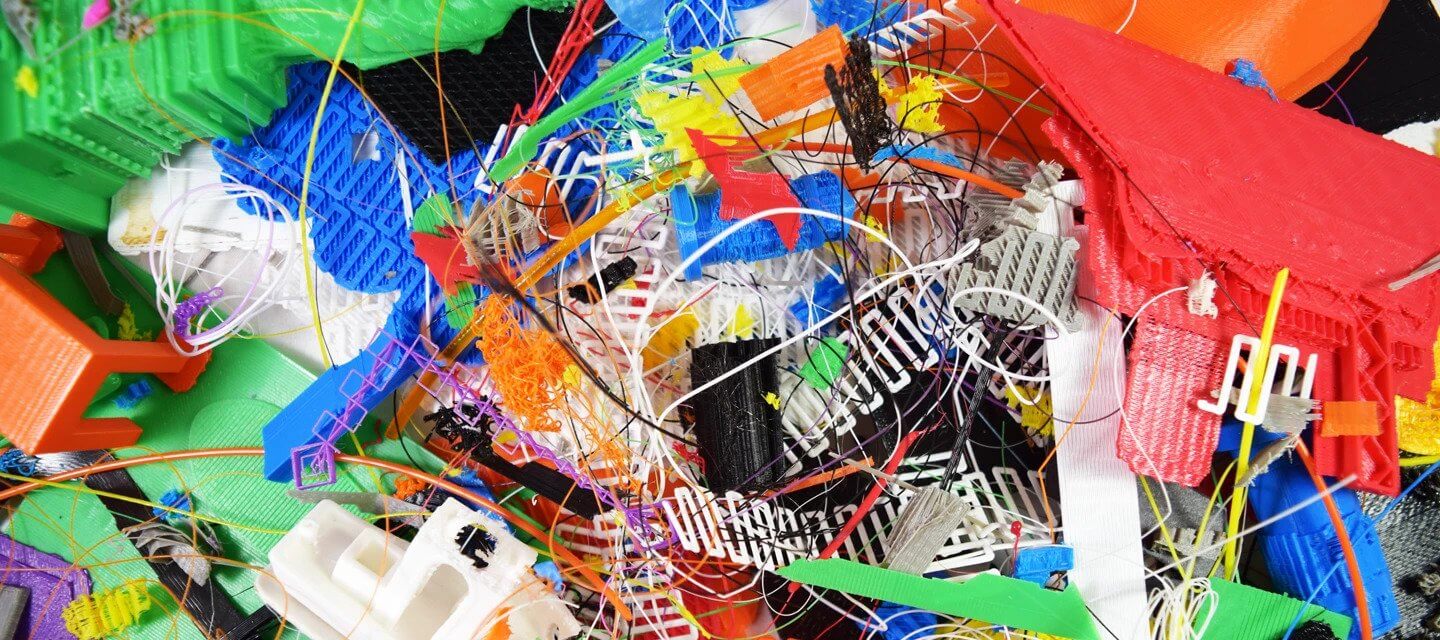
Another issue is the generation of waste from failed prints and support structures. While 3D printing reduces material waste in design and production phases, the end-of-life scenarios for these materials are often not as green, particularly for composites and thermoset plastics that are difficult to recycle. The accessibility of desktop printers has democratized manufacturing but also posed challenges in waste management and environmental controls, which are often less stringent than in industrial setups.

Addressing these concerns effectively requires a multifaceted approach, including the development of better design strategies, the selection of more sustainable materials, advancements in printer technology, and comprehensive guidelines for operation and disposal. Moreover, there’s a growing need for recycling facilities to adapt and handle the unique waste generated by 3D printing technologies to prevent further environmental degradation.

Energy Consumption During Printing

The energy consumption of 3D printing processes, especially those that operate at high temperatures, can be substantial. Techniques like laser sintering or fused deposition modeling, which involve melting materials to form objects, are particularly energy-intensive. This is exacerbated when producing large or highly detailed items that require longer print times, keeping machines running at high energy levels for extended periods.

However, solutions are emerging to mitigate these energy costs. For instance, printers capable of producing multiple components simultaneously can optimize energy use. Additionally, maintaining consistent, lower operational temperatures and integrating energy-efficient designs into printers can significantly reduce power consumption.

Adopting renewable energy sources, such as solar or wind power, to operate 3D printers can also help decrease the carbon footprint associated with manufacturing. Implementing strategies like scheduling prints during off-peak energy hours can further reduce energy costs and the strain on electrical grids, making 3D printing a more sustainable option in the long run.

Material Sourcing and Eco-Friendly Limitations

While 3D printing holds the promise of reduced material waste, the reality of the materials used paints a more complex picture. The majority of 3D printing materials are still derived from petrochemical sources, with issues surrounding their biodegradability and environmental impact. Even bioplastics like PLA, which are touted for their eco-friendlier credentials, can contribute to microplastic pollution if not disposed of properly.

The pursuit of high-quality, sustainable materials for 3D printing also faces significant challenges. Variations in the properties of recycled or bio-based materials can affect their performance in printing processes, leading to inconsistencies in the final products. Establishing a reliable supply of these materials, along with stringent standards to assess their quality and performance, is crucial for broader adoption.

Efforts are ongoing to develop better materials that balance environmental benefits with the mechanical properties required for practical applications. Innovations like upcycled filaments from ocean plastics and bio-based powders offer hope but need further development to ensure they meet both ecological and functional standards without compromising on quality or increasing the cost to prohibitive levels.

Waste Generation and Recycling Obstacles

One of the inherent benefits of 3D printing is its ability to reduce material waste during the production phase. However, it’s not without its waste challenges, particularly when it comes to failed prints and support structures, which can accumulate significantly, especially in high-volume or experimental design settings. These failures often involve complex or composite materials that are difficult to recycle due to their mixed or layered nature, leading to increased environmental burden.

Additionally, the recycling infrastructure for specific 3D printing materials, particularly those containing blended fibers or resins, remains underdeveloped. Few facilities are equipped to process these complex materials, which means they are often relegated to landfills instead of being reused. While some manufacturers are beginning to adopt take-back programs to help address this issue, widespread solutions are still lacking, leaving many users with few options for responsibly discarding spent materials.

To forge a path toward a more sustainable practice, the industry needs to focus on developing closed-loop systems for material reuse. This involves not only improving recycling technologies but also educating users and establishing standard procedures for collecting and reprocessing materials at the end of their life cycle.

Emissions and Indoor Air Quality

The process of 3D printing, particularly when involving thermoplastics or resins, can release volatile organic compounds (VOCs) and ultrafine particles that compromise indoor air quality. This is a significant concern in both industrial settings and increasingly popular home setups where proper ventilation may not be available.

Industrial 3D printing operations often incorporate advanced air filtration systems to manage these emissions, but such setups are less common in home environments. Home users must ensure adequate ventilation to mitigate health risks, which might include installing air purifiers or ensuring natural air flow in printing areas.

Moreover, the type of material and the specific 3D printing process can affect the quantity and type of emissions. For example, printing at higher temperatures can release more VOCs, while the use of certain colorants and additives can exacerbate the emission of noxious fumes. Therefore, monitoring and managing these emissions with the right safety equipment and practices is crucial to maintaining safe air quality levels in all printing environments.

Industrial vs. Desktop 3D Printing Impacts

The scale of 3D printing operations—from large industrial setups to desktop printers in homes or offices—greatly influences their environmental impact. Industrial printers typically operate under more controlled conditions with better energy management systems, which can minimize waste and optimize energy use per unit produced. These setups also tend to have more sophisticated methods for handling emissions and waste.

Conversely, desktop 3D printers, which have become more accessible and popular, often lack these advanced features. This can lead to higher relative energy consumption and less efficient use of materials, particularly if the printers are used infrequently or primarily for prototyping small items. Additionally, the casual disposal of materials and lack of recycling options at this scale can lead to increased environmental impact.

The rise in popularity of desktop printers also raises concerns about the knowledge and behaviors of typical users, particularly around waste handling and energy use. With the number of these printers expected to continue growing, addressing these educational gaps and providing better support for home users will be essential to mitigating their broader environmental impact.

What Are Eco-Friendly Options for Desktop 3D Printing?

In desktop 3D printing, you have several eco-friendly options to consider that can help minimize your environmental footprint. Firstly, opting for low-temperature, plant-based filaments such as PLA not only reduces the energy required for printing but also contributes less to plastic pollution due to its biodegradable nature. These materials are particularly suitable for hobbyists and small businesses aiming to maintain sustainability in their creative pursuits.

Moreover, implementing refillable spools with recycled or biodegradable filaments can significantly decrease the volume of plastic waste. This practice not only supports circular economy principles but also encourages a reduction in raw material consumption. Optimizing print settings such as layer thickness and infill percentages can further reduce the amount of material used and shorten print times, enhancing overall energy efficiency.

Additionally, incorporating small-scale technologies like desktop shredders and extruders allows for upcycling of failed prints and supports, turning waste back into valuable printing material. By adjusting your printing habits to include scheduling during off-peak electrical hours and leveraging renewable energy sources, you can further decrease the carbon footprint of your 3D printing activities.

Solar Power 3D Printing Systems

What Strategies Can Make 3D Printing More Sustainable?

In your quest to make 3D printing more sustainable, you can adopt several actionable measures that significantly enhance the eco-performance of this transformative technology. First and foremost, shifting towards biodegradable or recycled materials can markedly decrease the environmental impact of filament production. Such materials not only help conserve non-renewable resources but also facilitate the reduction of waste that ends up in landfills.

Implementing robust recycling initiatives is crucial. Whether it’s through in-house programs or partnerships with third-party recyclers, these programs can effectively convert failed prints and leftover scraps back into valuable reusable feedstock. This approach not only supports a circular economy but also reduces the demand for virgin materials.

Energy efficiency also plays a pivotal role. By integrating energy-saving settings on printers and harnessing renewable energy sources, you can minimize the carbon footprint associated with high-energy-demand processes. Moreover, designing for sustainability—such as creating modular parts that can be easily disassembled and reused—can drastically cut down resource consumption throughout the product lifecycle.

Additionally, the adoption of industry standards and certifications that focus on environmental performance can compel manufacturers to adhere to stringent sustainability criteria, covering aspects like waste management, emissions control, and sustainable sourcing.

Collaboration across the industry—from filament producers to end-users—can foster a faster transition to green technologies. Initiatives like using AI to optimize print paths and energy consumption further exemplify the innovative approaches that can propel the 3D printing sector towards a more sustainable future.

Material Selection and Recycling Programs

When it comes to making 3D printing more sustainable, an emphasis on material selection and robust recycling programs is paramount. Encouraging users to store leftover filament spools can significantly minimize unnecessary waste. Many local recycling programs and specialized service providers are now capable of turning discarded prints back into fresh filament. This circular approach not only reduces reliance on virgin materials but also supports the environmental credentials of the 3D printing industry.

Certifications that identify materials as recycled or bio-based can guide consumers towards more sustainable choices, ensuring that each purchase contributes to a lower environmental impact. Moreover, the infrastructure improvements, such as in-house grinders and extruders, can enhance the efficiency of recycling programs, ensuring that materials like PLA and ABS are reused rather than discarded. Regular testing and validation of recycled filament are essential to maintain user confidence in the quality and reliability of sustainable 3D printing materials.

Energy-Efficient Printing Techniques

Optimizing 3D printing for energy efficiency is another crucial strategy. Adjusting printer settings such as lowering print temperatures, and optimizing bed heat can significantly reduce the energy consumption of 3D printers. Additionally, grouping multiple small jobs into a single print run can minimize the energy lost in heating cycles, which is particularly beneficial during high-energy-use phases.

Scheduling prints for off-peak electricity hours can also help reduce energy costs and the strain on electrical grids. Integrating renewable energy sources, like solar panels, into 3D printing operations can further decrease the carbon footprint of printing processes. Regular maintenance and calibration of printers ensure they operate efficiently, preventing energy wastage due to technical faults.

Moreover, advanced software for slicing and simulation can optimize print paths and infill patterns, which not only saves material but also reduces the time and energy required for printing. This holistic approach to energy management in 3D printing operations can lead to significant reductions in both costs and environmental impact.

Policy, Industry Standards, and Certifications

Governments and regulatory bodies are crafting guidelines that mandate reduced emissions and sustainable material sourcing within the additive manufacturing sector. These standards not only push for the use of biodegradable filaments and recycled plastics but also ensure that chemical safety labeling is stringent and transparent.

Industry consortia are spearheading efforts to establish certifications that confirm adherence to these eco-friendly practices. Such certifications cover various aspects, from energy efficiency to the responsible disposal of resins and by-products. For manufacturers, achieving these certifications not only facilitates easier market access but also builds consumer trust and can even preempt more stringent regulations down the line.

Moreover, some local and national governments incentivize companies through tax breaks or grants when they integrate sustainable practices into their 3D printing operations. These standardized benchmarks are not just about compliance; they foster an environment of continuous improvement and accountability in environmental performance across the industry.

Design for Sustainability

Design for SustainabilityDesign for sustainability represents a core strategy in reducing the environmental footprint of 3D printing. By optimizing designs, considering factors like geometry, wall thickness, and internal structures, engineers can significantly reduce material usage without compromising the structural integrity of parts. Advanced computer-aided design (CAD) tools play a crucial role here, enabling the creation of models that incorporate lattice patterns or hollow sections, which not only use less material but also reduce the weight of the final product, thereby saving energy during use, especially in sectors like automotive and aerospace.

This intentional approach to design fosters collaboration among designers, engineers, and sustainability experts, ensuring that every product is as efficient as possible from the outset.

Adoption of Biodegradable or Recycled Filaments

The shift towards using biodegradable or recycled filaments in 3D printing is gaining momentum as a method to address environmental concerns associated with plastic waste. Filaments derived from biomass, such as polylactic acid (PLA), are gaining popularity due to their lower environmental impact compared to traditional petroleum-based plastics. These materials not only reduce the dependency on fossil fuels but also offer the potential for compostability at the end of their lifecycle, thereby contributing to a more sustainable cycle of use and reuse.

Despite the advantages, there are challenges to overcome, particularly concerning the mechanical strength, heat tolerance, and consistency of biodegradable and recycled filaments. Ongoing research and development are focused on enhancing the performance of these materials to meet industrial needs, including the creation of novel composites that incorporate plant fibers or algae-based polymers. As the market for these materials grows, more companies are also investing in sophisticated recycling technologies that can manage the end-to-end lifecycle of plastics, turning scrap and used plastics back into high-grade printable filaments.

How 3D Printing Is Transforming Sustainable Construction

3D printing is revolutionizing the construction industry by dramatically reducing waste and enhancing efficiency. This technology allows for the precise deposition of building materials, such as concrete, which can minimize construction waste by up to 95%. Innovative techniques, like using advanced cements that incorporate captured CO₂, not only reduce the carbon footprint of these materials by over 60% but also enhance the sustainability of the construction processes.

The ability to print complex structures directly on-site cuts down significantly on transportation emissions associated with traditional construction methods, which often involve hauling bulky materials over long distances. Furthermore, the rapid production capabilities of 3D printing—capable of constructing small homes in less than 24 hours at a fraction of the cost of traditional methods—showcase its potential to address urgent housing shortages efficiently and economically. This method also reduces labor intensity and produces high-strength structures with minimal material waste, aligning well with sustainable building practices and contributing positively to environmental conservation.

What Are Climate Change Fundamentals, and How Do They Relate to 3D Printing Manufacturing?

Climate change is primarily driven by the accumulation of greenhouse gases in the atmosphere, such as CO₂ and methane, which result from burning fossil fuels, extensive deforestation, and various industrial activities. These gases trap heat in the atmosphere, leading to global warming and its associated impacts like extreme weather events, rising sea levels, and significant ecological disruptions that threaten food security, habitats, and livelihoods.

Manufacturing industries are significant contributors to these emissions, traditionally relying on energy-intensive processes and extensive logistic networks. However, 3D printing offers a sustainable alternative by reducing the need for long-distance transportation and minimizing production waste through its precise additive processes. The technology’s ability to use exact amounts of raw materials needed for each product helps significantly reduce the embedded carbon footprint of manufactured goods.

Moreover, 3D printing promotes the development of lighter and more efficient designs that require less energy throughout their lifecycle. By adopting renewable energy sources and continuously innovating in material science, 3D printing not only mitigates its environmental impact but also aligns with broader efforts to combat climate change by enhancing manufacturing sustainability and efficiency.

Comparison with Other Eco-Friendly Alternatives

3D printing stands out in the manufacturing sector for its exceptional ability to minimize waste and enhance design flexibility. Unlike traditional manufacturing methods such as upcycled injection molding or zero-waste CNC milling, which may generate minimal scrap but lack flexibility, 3D printing excels in producing customized, complex designs without the need for extensive raw materials.

While certain high-efficiency, closed-loop manufacturing methods might surpass 3D printing in terms of energy efficiency and production speed, especially on an industrial scale, 3D printing is unparalleled in its suitability for on-site construction and rapid prototyping. This capability significantly reduces the carbon footprint associated with transporting materials and products.

Furthermore, the integration of emerging eco-friendly technologies such as algae-based biopolymers and advanced carbon capture techniques with 3D printing processes could further diminish environmental impacts. A hybrid approach, combining the strengths of various manufacturing technologies, may offer the most substantial benefits for sustainability, leveraging 3D printing for its unique advantages while employing more traditional methods for bulk production tasks.

How Does 3D Printing’s Sustainability Affect Different Stakeholders?

3D printing’s sustainable qualities influence various stakeholders in distinct ways, altering the landscape of production and consumption. Businesses embrace 3D printing to streamline supply chains, reduce overstock, and enhance the agility of product development, resulting in significant cost efficiencies and environmental benefits. This capacity to rapidly prototype and manufacture on-demand minimizes excess production and warehousing needs, aligning with broader corporate goals like achieving zero-waste operations or net-zero emissions.

On the consumer side, the appeal of 3D printing lies in its ability to personalize products and produce them conveniently at home. However, this convenience sometimes comes with challenges, such as the need for effective ventilation to handle potentially harmful emissions from melted plastics and the proper disposal of failed prints, which could contribute to environmental degradation if not managed correctly.

Both businesses and individual users are encouraged to adopt greener practices, such as using biodegradable filaments and optimizing energy consumption during printing operations. While businesses might integrate these practices into their sustainability strategies, consumers often require guidance and education to apply similar principles effectively. This dual approach not only mitigates the environmental impacts of 3D printing but also fosters a culture of responsibility among all users, enhancing the overall sustainability of the technology.

Businesses and Industrial Implementation

In an industrial context, 3D printing offers transformative benefits by enabling businesses to manufacture closer to points of demand, thus reducing the carbon emissions associated with long-distance transportation. Digital inventories allow for production on an as-needed basis, drastically cutting down on waste and inefficiency associated with traditional manufacturing methods. Compliance with environmental regulations is increasingly becoming a prerequisite for operational licensing, prompting businesses to invest in greener technologies and materials.

Scalability remains a critical challenge; however, as integrating 3D printing into mainstream production processes involves substantial investment in technology and training. Despite these hurdles, the long-term benefits—including reduced logistical costs, lower raw material usage, and enhanced capacity to innovate—make a compelling case for its adoption. Progressive businesses not only improve their environmental footprint but also position themselves as leaders in sustainable manufacturing.

Consumers and Personal 3D Printing

For individual enthusiasts and small businesses, 3D printing presents an opportunity to engage in sustainable manufacturing practices right from home or small studios. Users are encouraged to select environmentally friendly materials such as PLA (Polylactic Acid) or recycled filaments to minimize their ecological impact. Optimizing printing parameters to reduce energy consumption, such as adjusting layer height and infill density, can significantly lower the carbon footprint associated with personal 3D printing.

Proper waste management, including recycling of failed prints and conscientious disposal of used materials, is crucial. Community initiatives, like filament recycling programs or educational workshops, can play a pivotal role in fostering responsible printing practices among hobbyists. Additionally, designing products with longevity in mind and using 3D printing for meaningful applications rather than trivial items can profoundly affect the sustainability of this technology in personal use scenarios.

What Is the Future for 3D Printing and Global Sustainability?

What Is the Future for 3D Printing and Global SustainabilityThe trajectory of 3D printing points towards a significantly greener manufacturing landscape. Innovations in material science are pivotal, with an increasing shift towards using recycled and bio-based materials, which promise to redefine the standards of environmental efficiency in additive manufacturing. For instance, ongoing research on bio-polymers and the integration of captured carbon dioxide into printable materials could revolutionize how industries address their carbon footprint.

Advancements are not confined to materials alone. The integration of AI and automation within 3D printing processes could enable more precise control and efficiency, minimizing waste and energy use. Moreover, the development of localized production hubs could drastically reduce transportation emissions, enhancing the sustainability of manufacturing chains across various sectors.

Policymakers play a crucial role, as they are beginning to foster this shift through more robust environmental incentives and support for green technology innovations. This legislative backing is crucial in scaling up sustainable practices in 3D printing.

Looking forward, the potential of 3D printing to support circular economic models is immense. By designing products with their end-of-life in mind, 3D printing can enable easier recycling and less resource use, setting a new standard in the lifecycle management of products. This evolution towards more sustainable practices holds the promise not only for reduced environmental impact but also for the cultivation of new economic opportunities and enhanced societal well-being.

Conclusion

3D printing is really changing the game when it comes to making things in a cleaner, smarter way. It helps us cut down on waste and reduce the harmful gases we put into the air by making what we need right where we need it.

But, like anything new, it’s not without its hurdles. We need to be smart about how much energy it uses and how we handle the leftovers from printing. Embracing renewable energy and eco-friendly materials is crucial as we move forward.

This balance between innovation, practical use, and caring for our planet is key. As you and I embrace and advocate for responsible 3D printing, we contribute to a global movement towards sustainability. With every advancement and thoughtful application, we’re not only optimizing how we create but also ensuring our planet remains vibrant and viable for future generations.

Is 3D Printing Biodegradable?

No, most 3D printing methods aren’t biodegradable because they rely heavily on petroleum-based plastics. However, materials like polylactic acid (PLA) can biodegrade under specific industrial composting conditions, unlike traditional plastics. Still, even these so-called “biodegradable” options can leave behind microplastics if not properly disposed of.

While there are recycled filaments and plant-based options available, their breakdown rates can vary, and they typically require specific facilities to decompose properly. So, the real deciding factors are the types of materials you choose, how you dispose of them, and the recycling or composting facilities available in your area.

Share this blog
By clicking "Accept", you agree to the storing of cookies on your device to enhance site navigation, analyze site usage, and improve marketing. we never collect any personal data.